
Annapurna Circuit Trek Packing List – What to Pack, How to Pack, and Why It Matters?
Trekking the Annapurna Circuit is not just another hike. It is a long journey through the heart of the Annapurna region, crossing deep river valleys, traditional mountain villages, dry Himalayan landscapes, and finally the dramatic high-altitude Thorong La Pass. When you’re trekking in Nepal, especially on a route as varied as the Annapurna Circuit, what you pack can shape your entire experience.
This Annapurna Circuit Trek packing list is not just a checklist. It is a complete guide that explains what to pack, why you need it, how much to carry, and how to pack smartly — whether you’re trekking with porters or going solo. Many trekkers struggle not because the trail is impossible, but because they carry the wrong gear, too much weight, or poorly chosen clothing.
If you are planning trekking to the Annapurna Circuit, this guide will help you pack confidently, trek comfortably, and enjoy the journey instead of fighting your backpack.
Why a Proper Annapurna Circuit Trek Packing List Is So Important?
The Annapurna Circuit passes through multiple climate zones in a single trek. One day you’ll walk in warm sunshine at lower altitudes; a few days later, you may face freezing mornings, strong winds, or even snowfall near Thorong La Pass. That is why a carefully planned Annapurna Circuit Trek packing list is essential.
Unlike short treks, this route usually takes 12–18 days, which means you must think about:
- Changing temperatures
- Long walking hours
- Limited access to supplies at high altitude
- Weight limits for porters
- Your own physical energy
Packing correctly makes trekking in Nepal safer, easier, and far more enjoyable.
Backpacks & Bags – The Foundation of Your Packing List
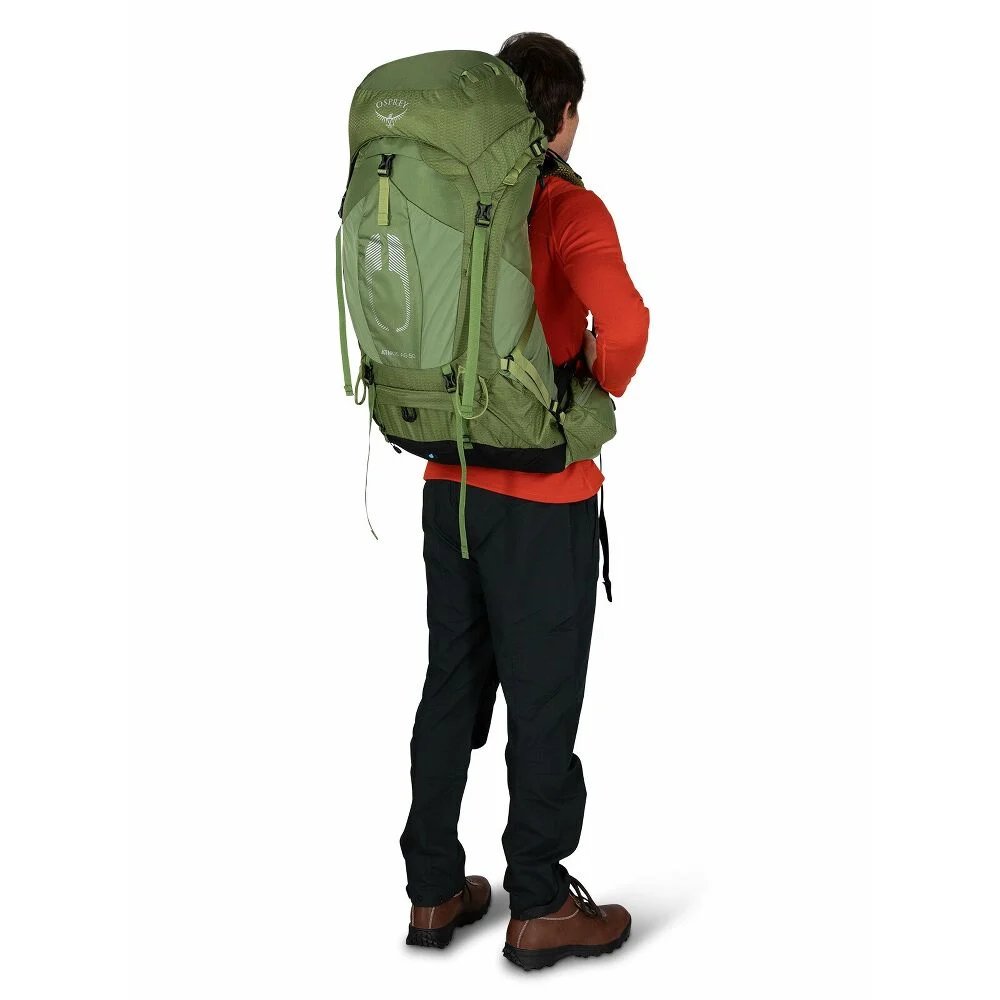
Main Backpack (50–65 Liters)
Your main backpack is the backbone of your Annapurna Circuit Trek packing list. Whether you’re trekking with a porter or carrying your own load, the right backpack makes a huge difference in comfort, balance, and energy levels while trekking in Nepal.
A 50–65 liter backpack is ideal for the Annapurna Circuit because it provides enough space for layered clothing, sleeping gear, and personal items without encouraging overpacking. Anything larger often leads trekkers to carry unnecessary items, increasing weight and fatigue.
When trekking to Annapurna with a porter, this backpack is usually carried by them, but it still must be well-organized and not overloaded. If you are trekking without a porter, a well-fitted backpack becomes even more critical because poor weight distribution can strain your shoulders, hips, and lower back over long days.
What to look for in a main backpack:
- Adjustable torso length (very important for proper fit)
- Strong hip belt to transfer weight from shoulders to hips
- Ventilated back panel to reduce sweat
- Durable fabric that can handle rough handling
- Built-in or separate rain cover
Recommended backpack brands like Osprey, Deuter, Gregory, and The North Face are popular among trekkers in the Annapurna region because they are designed for multi-day high-altitude trekking and remain comfortable even after long hours on the trail.
Daypack (20–30 Liters)
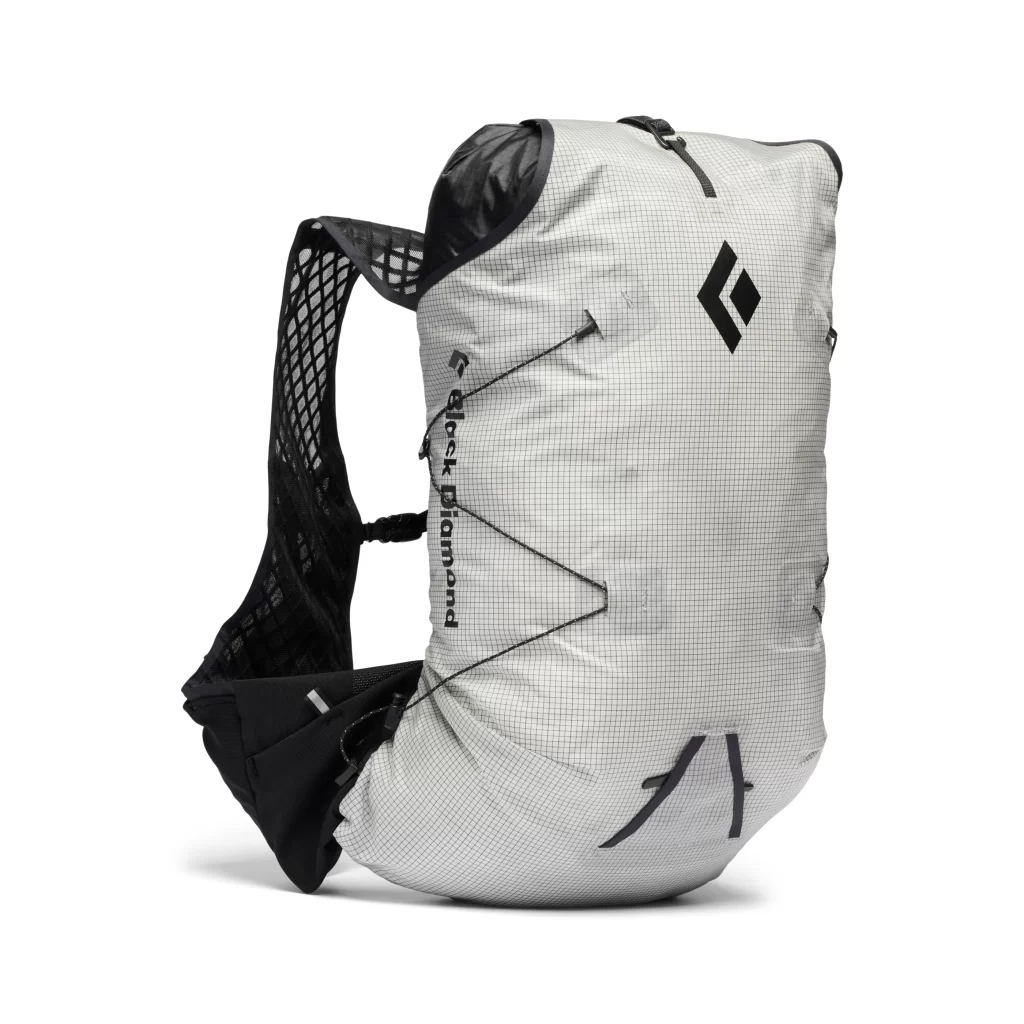
Your daypack is the bag you’ll use every day while trekking the Annapurna Circuit, even if you hire a porter. This bag should be lightweight, compact, and comfortable because it stays on your back for 5–8 hours daily.
A 20–30 liter daypack is perfect for carrying daily essentials such as water, snacks, sunscreen, a camera, extra layers, and personal items. Overloading a daypack defeats its purpose and increases shoulder strain.
Why a good daypack matters:
- Keeps essentials accessible without stopping
- Helps maintain balance on steep ascents and descents
- Reduces fatigue over long trekking days
Look for a daypack with:
- Chest and waist straps (for stability)
- External water bottle pockets
- Hydration bladder compatibility
- Lightweight but strong materials
Minimalist trekking packs from brands like Osprey, Deuter, and Black Diamond are ideal for trekking in Nepal due to their balance between comfort and durability.
Clothing System – Layering Is the Key in the Annapurna Region
One of the biggest mistakes trekkers make when trekking to Annapurna is packing heavy clothing instead of smart layers. The Annapurna Circuit passes through multiple climate zones, sometimes in a single day, which is why layering is essential.
A proper clothing system allows you to add or remove layers easily, helping your body regulate temperature without overheating or freezing.
Base Layers (Moisture Control)
Base layers sit directly against your skin. Their main job is to manage sweat and keep you dry. Staying dry is crucial at higher altitudes because damp clothing can quickly make you cold.
Good base layers:
- Dry quickly
- Feel comfortable during long walking hours
- Prevent chills during rest stops
Merino wool base layers are excellent for trekking in Nepal because they resist odor and stay warm even when slightly damp. Synthetic options dry faster and are often more affordable.
Pack:
- 2–3 moisture-wicking T-shirts
- 1–2 thermal tops
- 1–2 thermal bottoms
Recommended brands:
- Merino wool: Icebreaker, Smartwool
- Synthetic: Decathlon, Patagonia Capilene
Avoid cotton — it traps moisture and gets cold quickly at altitude.
Mid Layers (Insulation)
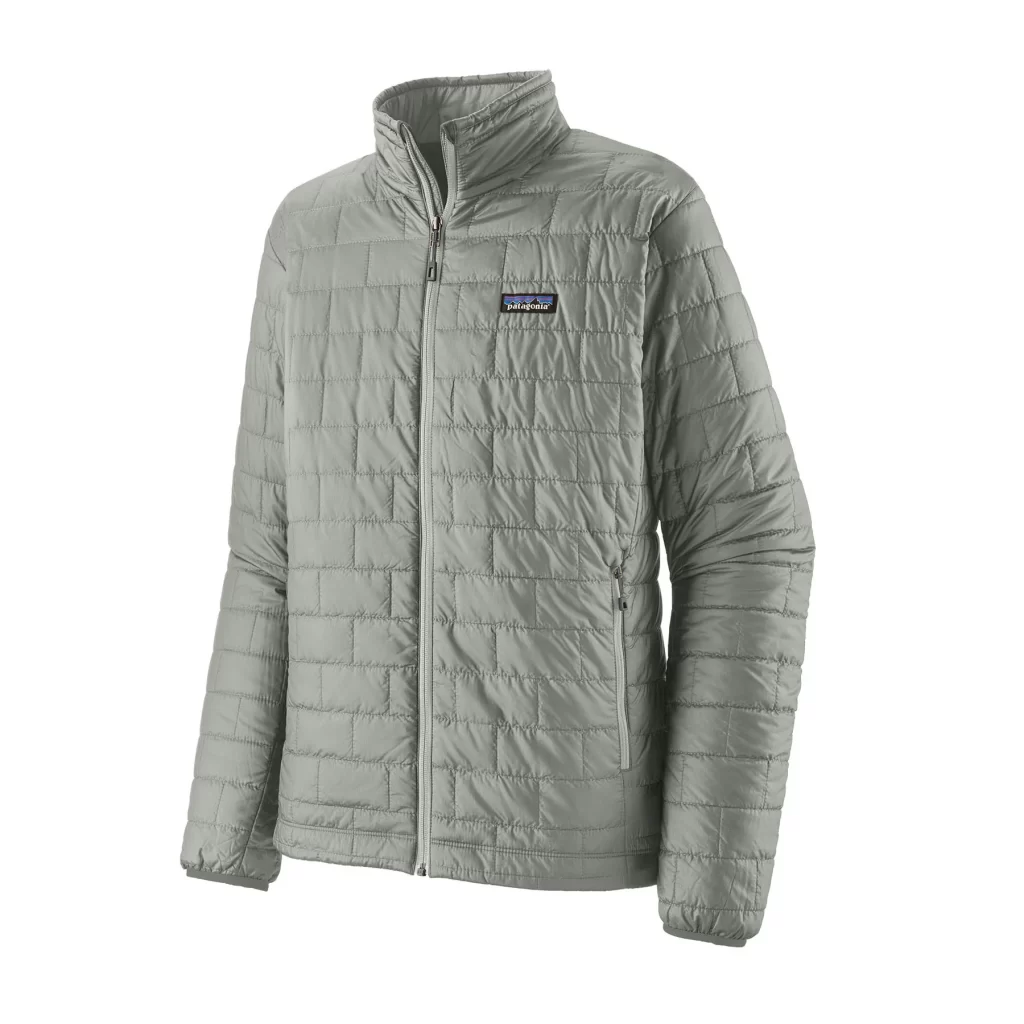
Mid layers trap body heat and keep you warm, especially in the mornings, evenings, and at higher elevations in the Annapurna region. These layers should be warm but lightweight.
A fleece jacket works well at lower and mid elevations, while an insulated jacket becomes essential above Manang and during the Thorong La crossing.
The goal is warmth without unnecessary weight.
Pack:
- Fleece jacket
- Lightweight insulated jacket
Recommended brands:
- Patagonia Nano Puff
- The North Face ThermoBall
- Mountain Hardwear
Outer Layers (Protection from Wind & Rain)
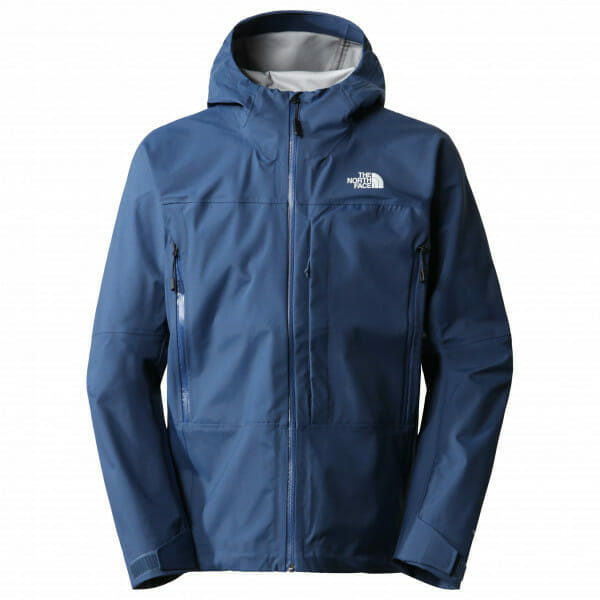
Your outer shell protects you from the unpredictable mountain weather common while trekking in Nepal. Even in peak seasons, strong winds and sudden rain or snow are possible.
A high-quality waterproof and windproof jacket is non-negotiable. This layer often becomes your most used item at high altitude.
Pack:
- Waterproof shell jacket
- Waterproof trekking pants
Recommended brands:
- Arc’teryx Beta
- Patagonia Torrentshell
- The North Face DryVent
Trekking Pants, Shorts & Daily Wear
- 2–3 trekking pants
- 1 convertible pant or short
- Comfortable evening wear for tea houses
Lightweight, quick-dry materials are best.
Footwear – One of the Most Important Packing Decisions
Footwear is one of the most critical components of your Annapurna Circuit Trek packing list. When trekking in Nepal, especially across long distances and varying terrain in the Annapurna region, your feet take the most punishment. A small mistake in footwear choice can quickly turn into blisters, joint pain, or even force you to end the trek early.
The Annapurna Circuit involves:
- Long ascents and descents
- Rocky trails
- Occasional snow and ice near Thorong La Pass
- Uneven stone staircases and dusty roads
Because of this, your footwear must provide support, protection, and comfort for many consecutive days.
Trekking Boots
A good pair of trekking boots should be sturdy, waterproof, and already broken in before you arrive in Nepal. New boots often cause blisters, especially during long trekking days.
What to look for in trekking boots:
- Waterproof membrane (Gore-Tex or similar)
- Good ankle support to reduce twisting injuries
- Strong grip for rocky and slippery trails
- Comfortable toe box (your feet swell at altitude)
Recommended trekking boot brands for trekking to Annapurna:
- Salomon Quest series
- Lowa Renegade
- Scarpa Kailash
- La Sportiva
Avoid very heavy mountaineering boots unless you are trekking in deep winter. For most seasons, mid-weight trekking boots are ideal. Here are the recommended trekking boots for the trekking adventure in Nepal.
Socks
Many trekkers underestimate socks, but they play a huge role in foot comfort.
Recommended sock system:
- Thin liner socks (reduce friction)
- Wool or padded trekking socks (warmth and cushioning)
Merino wool socks are excellent for trekking in Nepal because they regulate temperature and reduce odor even after multiple days.
Brands to consider: Smartwool, Bridgedale, Icebreaker
Camp Shoes
After 6–8 hours of walking, your feet need rest. Lightweight sandals, Crocs, or slip-on shoes are perfect for evenings in tea houses.
They allow:
- Air circulation
- Faster drying
- Comfortable walking around villages
Cold Protection – Hands, Head & Eyes
- Warm beanie
- Sun cap
- Neck gaiter / buff
- Inner gloves + insulated gloves
Sunglasses are essential at high altitude.
Recommended: UV400 polarized (Julbo, Oakley)
Sleeping Gear – Comfort at Night Matters
Good sleep is essential when trekking the Annapurna Circuit. Your body recovers, adapts to altitude, and rebuilds energy during sleep. Poor sleeping gear often leads to fatigue, headaches, and reduced appetite the next day.
While tea houses provide blankets, they are not always warm enough, especially above Manang and near Thorong La Pass.
Sleeping Bag – Temperature Matters
A proper sleeping bag is a must-have item on your Annapurna Circuit Trek packing list, especially for spring and autumn.
Recommended ratings:
- Spring / Autumn: −10°C
- Winter: −15°C or lower
Down sleeping bags are lighter and warmer, making them ideal for trekking to Annapurna. Synthetic bags perform better in damp conditions but are heavier.
Trusted brands:
- Marmot
- The North Face
- Sea to Summit
- Mountain Hardwear
Sleeping bags are widely available for rent in Thamel (Kathmandu) and Lakeside (Pokhara) if you don’t want to buy one.
Sleeping Bag Liner – Small but Very Useful
A liner adds:
- Extra warmth
- Hygiene (especially in shared blankets)
- Easy washing option
Silk or fleece liners are lightweight and highly recommended for trekking in Nepal.
Health, Hygiene & First Aid
Trekking in Nepal means being responsible for your own health.
Essential items:
- Personal medication
- Diamox (consult doctor)
- Blister care
- Pain relief
- Antiseptic
Hygiene items:
- Sunscreen (SPF 50+)
- Lip balm
- Hand sanitizer
- Biodegradable soap
- Toilet paper
Women’s Hygiene & Personal Care While Trekking the Annapurna Circuit
This is an important topic that many blogs ignore, but it deserves its own space in a complete Annapurna Circuit Trek packing list.
Women trekking in the Annapurna region should plan hygiene carefully due to limited facilities at higher altitudes.
Essential women’s hygiene items:
- Menstrual cup or sufficient sanitary products
- Intimate wipes (biodegradable)
- Extra underwear
- Zip-lock bags for waste disposal
- Mild intimate wash
Many trekkers prefer menstrual cups because they are lightweight, reusable, and easier to manage on long treks. Whichever option you choose, always pack enough supplies, as availability decreases significantly after Manang.
Privacy can be limited in tea houses, so planning ahead ensures comfort and confidence throughout the trek.
Hydration & Nutrition – Fueling Your Body on the Trail
Proper hydration and nutrition are often underestimated, yet they are critical for preventing altitude sickness and maintaining energy during the Annapurna Circuit trek.
At higher altitudes, your body loses fluids faster, even if you don’t feel thirsty. Dehydration increases the risk of headaches, fatigue, and altitude-related issues.
Water Carrying System – Always Be Prepared
You should be able to carry at least 2–3 liters of water at all times.
Options include:
- Reusable water bottles
- Hydration bladder systems
Hydration bladders are convenient because you can drink without stopping, which encourages frequent sipping.
Water Purification – Safe Drinking Water
Buying bottled water becomes expensive and environmentally harmful in the Annapurna region. Instead, use purification methods.
Popular options:
- Water purification tablets
- UV purifiers (like SteriPen)
- Portable filters (Sawyer, LifeStraw)
This ensures safe drinking water throughout the trek while reducing plastic waste.
Electrolytes & Nutrition Support
Electrolyte powders or tablets help replace salts lost through sweat and are especially helpful during long trekking days.
Pack:
- Electrolyte sachets
- Energy bars or trail snacks
- Nuts or dried fruits
While tea houses provide meals, having quick energy snacks helps during steep climbs or long stretches between villages.
Why Hydration & Nutrition Matter More at Altitude?
When trekking in Nepal’s high-altitude regions like Annapurna:
- Appetite often decreases
- Digestion slows
- Fluid loss increases
Drinking enough water and maintaining calorie intake helps with:
- Better acclimatization
- Improved stamina
- Faster recovery
Many experienced trekkers say hydration is more important than pace when crossing high passes like Thorong La.
Electronics & Trekking Accessories
- Headlamp (Black Diamond, Petzl)
- Power bank (20,000 mAh recommended)
- Camera & spare batteries
- Trekking poles (Leki, Black Diamond)
Tech & Extras
Electronics
- Headlamp + extra batteries
- Power bank
- Camera with extra memory cards
- Chargers & plugs
These make your trek more comfortable and capture memories clearly.
Miscellaneous Useful Items
- Trekking poles (help reduce knee strain)
- Hydration bladder or water bottles
- Rain cover for backpack
- Dry sacks or zip bags for organizing
- Notebook/journal for trek diary
- Thermos for hot drinks
These small extras make the trek smooth and more enjoyable.
Important Documents
Don’t overlook paperwork:
- Passport + copies
- Trekking permits (TIMS & ACAP)
- Insurance documents
- Flight/train tickets
- Emergency contacts
Having backups (digital + physical) is wise.
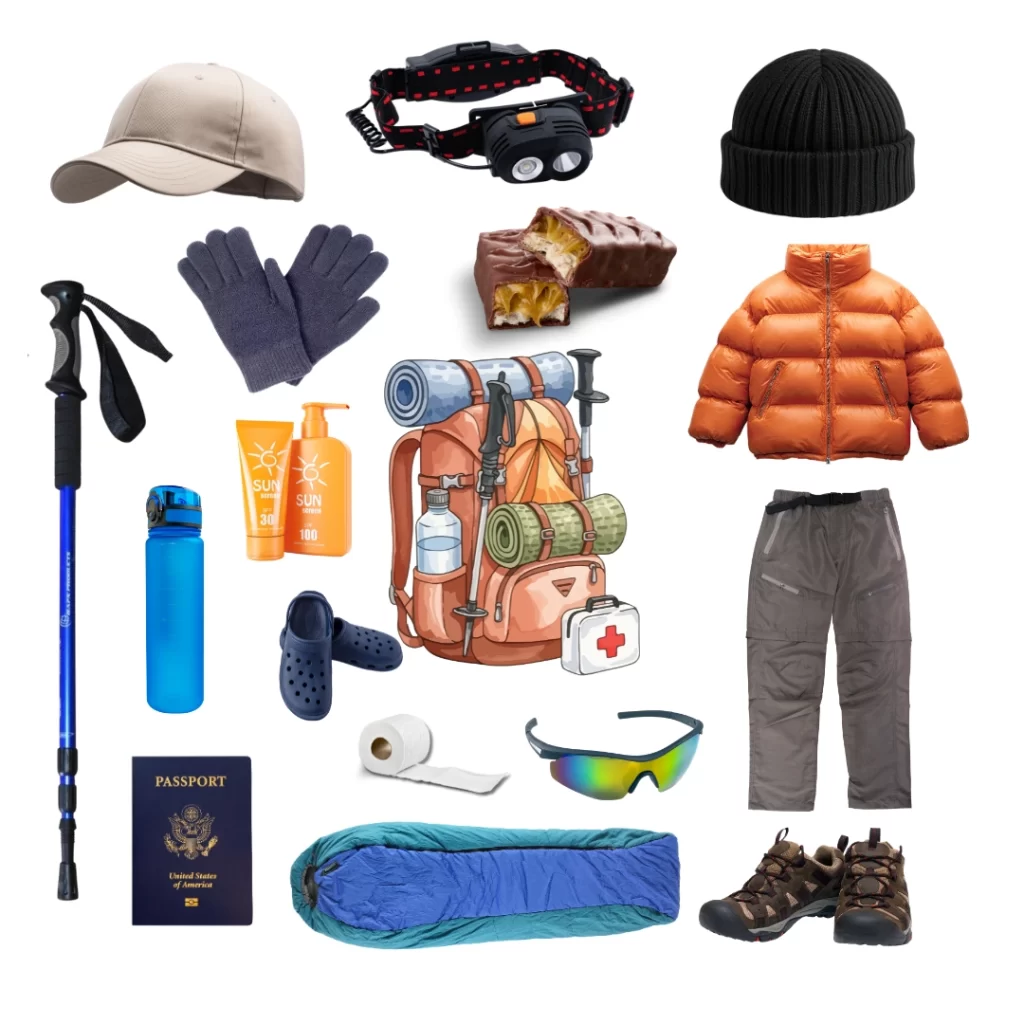
Season-Specific Packing Tips
For trekking in autumn or spring, your main focus is layering and windproof protection. In winter, add thicker gloves, warmer sleeping bags, and extra insulation gear. In monsoon, a reliable rain jacket and waterproof pants are critical.
How to Pack Smartly – Weight Matters on the Annapurna Circuit
This is one of the most overlooked but critical parts of the Annapurna Circuit Trek packing list.
Ideal Weight Guidelines
- With porter: Max 10 kg per person
- Without porter: Try to stay under 8–9 kg
Porters usually carry up to 20–25 kg total, shared between two trekkers. Packing light is not just respectful — it also keeps you safer.
Packing Tips That Experienced Trekkers Follow
- Pack only what you will use
- Wear heavier items while trekking
- Roll clothes instead of folding
- Use dry bags to organize
- Avoid “just in case” items
If You Are Trekking Solo Without a Porter
Keeping your backpack light becomes even more important.
A heavy pack:
- Slows you down
- Increases knee strain
- Raises altitude fatigue
- Reduces enjoyment
This is why minimalist packing is recommended when trekking to Annapurna independently.
Common Packing Questions (Quick Answers)
Q: Can I buy or rent gear in Nepal?
Yes. Kathmandu and Pokhara have excellent gear shops.
Q: Do I need expensive brands?
Not always. Fit and comfort matter more than logos.
Q: Is packing light really that important?
Absolutely. The lighter you carry, the better you acclimatize.
Packing vs Renting Gear – What Makes Sense in Nepal?
One of the advantages of trekking in Nepal is the ability to rent quality gear instead of buying everything.
What You Can Rent in Kathmandu & Pokhara?
In areas like Thamel (Kathmandu) and Lakeside (Pokhara), you can rent:
- Sleeping bags
- Down jackets
- Trekking poles
- Hiking boots (less recommended)
- Rain jackets
Typical rental costs (per day):
- Sleeping bag: NPR 200–300
- Down jacket: NPR 150–250
- Trekking poles: NPR 100–150
Renting is ideal if:
- You trek occasionally
- You want to save money
- You don’t want to carry bulky gear internationally
What You Should Buy Instead of Rent?
- Hiking boots (fit is crucial)
- Base layers
- Socks
- Personal hygiene items
For comfort and hygiene, personal items should always be your own.
How to Pack Smart – Practical Packing Tips That Matter
This section is key for both SEO and user value.
Choose the Right Size
Bigger backpacks encourage overpacking. Stick to recommended sizes and pack only essentials.
Choose the Right Materials
- Lightweight
- Quick-dry
- Multi-use items
Avoid heavy cotton clothing and bulky “single-use” items.
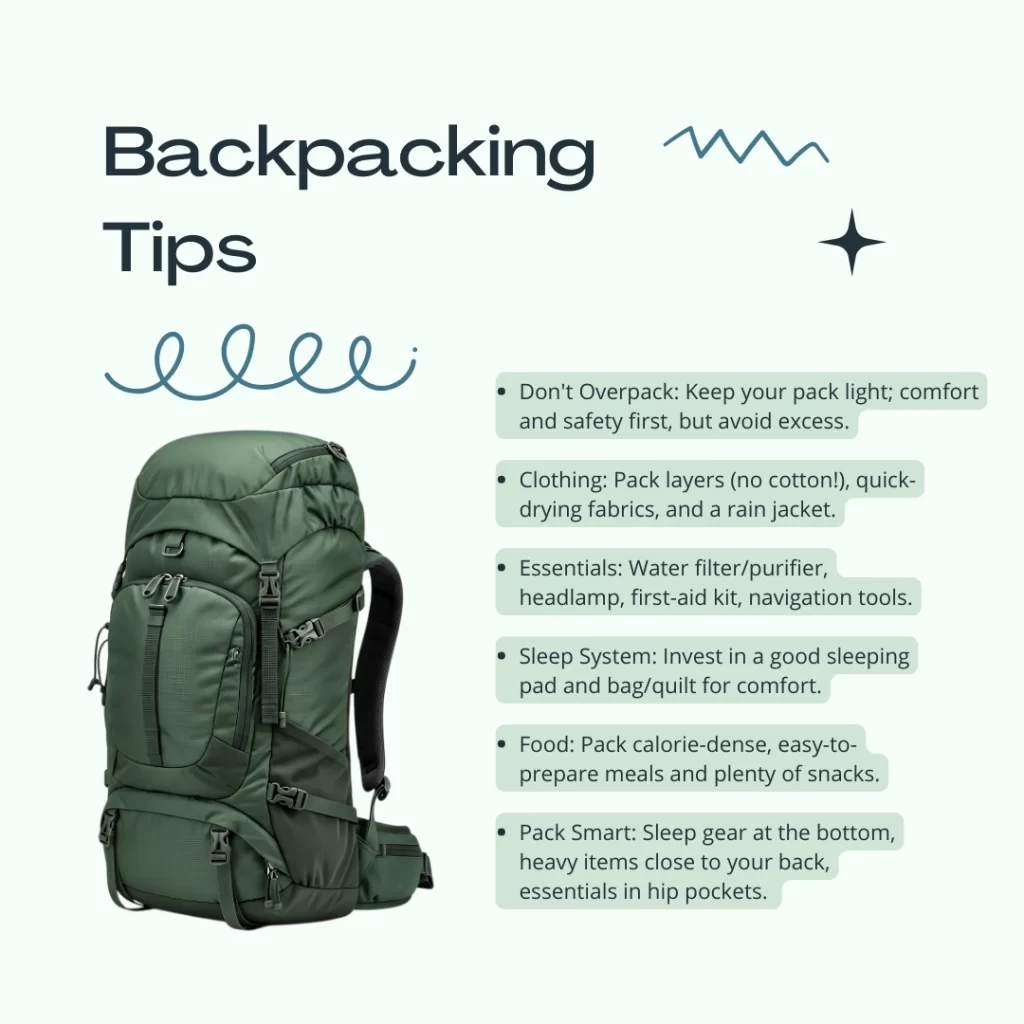
Distribute Weight Properly
- Heavy items close to your back
- Frequently used items on top or in outer pockets
- Balance left and right sides
Keep Weight in Check
- Ideal weight with porter: around 10 kg
- Ideal weight without porter: 8–9 kg max
Lighter packs improve balance, reduce knee strain, and make altitude adaptation easier.
Why Packing Light Is Especially Important When Trekking Solo?
When trekking to Annapurna without a porter:
- Every extra kilo slows you down
- Fatigue increases at altitude
- Recovery becomes harder
Minimalist packing allows you to:
- Walk longer comfortably
- Enjoy scenery instead of pain
- Focus on acclimatization
Many experienced trekkers say the trek becomes mentally and physically easier once pack weight drops below 9 kg.
Conclusion
Your Annapurna Circuit Trek packing list is one of the most important parts of preparation. The right gear makes the difference between a comfortable, safe trek and a difficult one. With this complete checklist — covering all seasons and situations — you’ll be prepared for everything the trail has in store. Ready to pack and walk into one of the world’s greatest trekking routes?