Permit for the Annapurna Circuit Trek – Complete Guide (2026)
The Annapurna Circuit Trek is one of the most iconic trekking routes in Nepal and one of the most rewarding ways to experience the majestic Himalayas, ancient mountain cultures, and dramatic landscapes. Whether you’re dreaming of traversing Thorong La Pass or walking through traditional villages like Manang and Muktinath, there’s one thing you must have before you set foot on the trail: a permit.
In this blog, we’ll cover everything you need to know about the permit for the Annapurna Circuit Trek — why you need it, what types of permits are required, how much they cost (with breakdowns for foreigners, SAARC nationals, children, and Nepali citizens), where to obtain them, what documents you need, and how to make the process smooth and stress-free. We’ll also answer the most searched questions people ask about trekking permits in Nepal.
Why Do You Need a Permit for the Annapurna Circuit Trek?
The Annapurna Circuit lies within the Annapurna Conservation Area — Nepal’s largest protected conservation area. To protect its fragile ecosystems, support trail maintenance, and benefit local communities, the Nepal government requires trekkers to obtain official permits before entering. These permits also help authorities track trekkers for safety and emergency response.
Without the correct permits, you cannot legally trek the Annapurna Circuit, and authorities at checkpoints throughout the route will ask to see them. So before you trek to Annapurna, ensuring your permits are in order is essential for both legality and safety.
What Permits Are Required for the Annapurna Circuit Trek?
For most trekkers, there are two mandatory permits required:
1. Annapurna Conservation Area Permit (ACAP)
This is the primary permit you need to enter and trek within the Annapurna Conservation Area.
2. Trekkers’ Information Management System (TIMS) Card
The TIMS card helps Nepalese authorities track trekkers for safety and emergency support.
Note: The Annapurna Circuit does not itself require a Restricted Area Permit (RAP), because the standard trail falls entirely within the conservation area. Restricted permits are needed only if you plan to explore nearby regions such as Upper Mustang or Nar Phu Valley, which are outside the regular Annapurna Circuit route.
Detailed Annapurna Circuit Trek Permit Costs
Understanding the cost is vital for budgeting your trek. Here’s the most accurate and current breakdown for 2026, based on official sources and trekking reports.
🏕️ Annapurna Conservation Area Permit (ACAP)
| Nationality | Permit Cost (ACAP) |
| Foreign Nationals | NPR 3,000 (~USD 25–30) |
| SAARC Nationals | NPR 1,000 (~USD 7–8) |
| Nepali Citizens | Free |
| Children under 10 | Free |
This permit is valid for single entry into the Annapurna Conservation Area — meaning you do not have to renew it unless you leave the area and re-enter.
📇 TIMS Card
The TIMS card cost varies depending on whether you obtain it through a registered trekking agency or independently:
| Category | Cost (TIMS) |
| Individual Trekkers | NPR 2,000 (~USD $17–20) |
| Group Trekkers (via agency) | NPR 1,000 (~USD $8–10) |
| SAARC Nationals (individual) | NPR 1,000 (~USD $7–8) |
| SAARC Nationals (group) | NPR 600 (~USD $5–6) |
In many cases today, licensed trekking agencies handle the TIMS card as part of your permit service, which reduces paperwork and ensures the correct processing.
ACT Permit Cost Summary (Estimated Totals)
| Nationality | ACAP | TIMS (Individual) | TIMS (Group) | Total Solo | Total Group |
| Foreign Nationals | $30 | $17–20 | $8–10 | $47–50 | $38–40 |
| SAARC Nationals | ~$8 | ~$7–8 | ~$5–6 | $15–16 | $13–14 |
| Nepali Citizens | Free | ~$5–6 | ~$5–6 | $5–6 | $5–6 |
This doesn’t include other costs such as travel insurance, visa fees, or trekking agency fees — which are separate.
Where and How to Obtain Your Annapurna Circuit Trek Permits?
You can secure your permit for the Annapurna Circuit Trek in several ways:
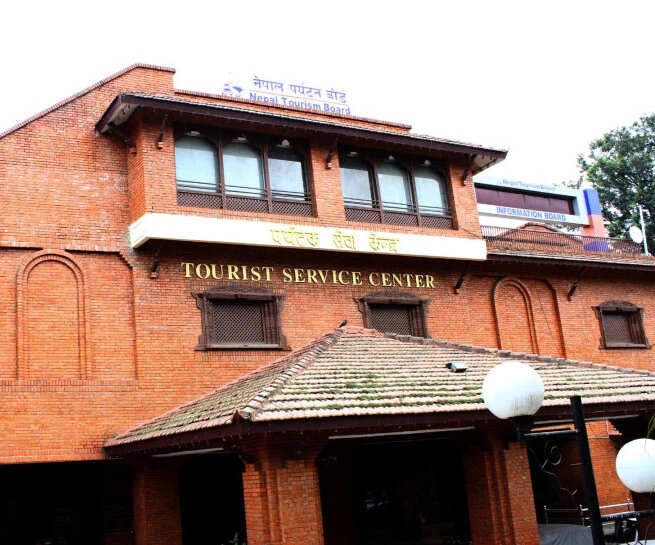
🏙️ 1. Nepal Tourism Board Offices
Permits can be obtained in person at:
- Kathmandu: Nepal Tourism Board Office, Bhrikutimandap
- Pokhara: Nepal Tourism Board Office (Damside)
Bring your passport, a copy of your passport, and passport-sized photo(s). Fees are paid in Nepalese Rupees (NPR) cash. Foreign currencies are often not accepted at the counter directly.
📱 2. Licensed Trekking Agencies
Most trekkers arrange permits through a registered Nepalese trekking agency before departure. This is the least stressful method because the agency will:
- Collect your documents
- Submit the forms
- Pick up your ACAP and TIMS cards
- Transfer them to you before your trek
This is especially recommended during busy seasons (autumn & spring) when lines at permit offices can be long.
📌 3. Online e-Permit (ACAP)
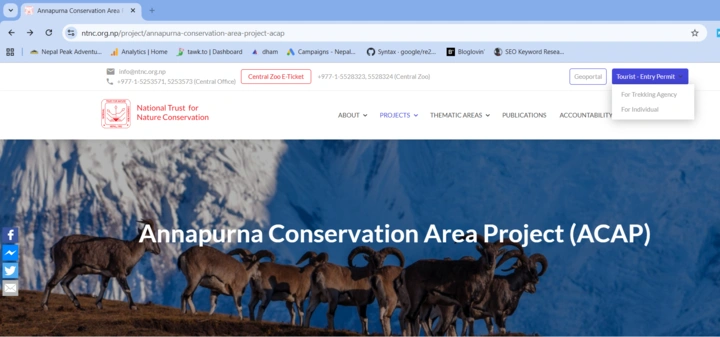
Some conservation area permits can be obtained via online portals such as the ACAP official e-permit website (e.g., epermit.ntnc.org.np), which allows advance application. Still, always carry printed copies because checkpoints often require a physical version.
Documents Required for Permits
To obtain your permit for the Annapurna Circuit Trek, you will typically need:
- Valid passport (original + photocopy)
- Passport-sized photos (1–2)
- Completed application form
- Trek itinerary details (if required by the agency)
- Payment in NPR cash or through agency
Always confirm requirements with your trekking company or the Tourism Board office, as documentation requests can change slightly.
Permit Checks Along the Trail
Checkpoints are scattered along the Annapurna Circuit route (e.g., Besisahar, Chame, Manang, Muktinath, Jomsom). At each one, you may be asked to show:
- ACAP Permit
- TIMS Card
- Passport
Officials ensure all trekkers are legally registered. Keep your permits accessible.
Helpful Permit Tips (Avoid Common Mistakes)
✔ Carry Several Copies
Keep both physical and digital copies of ACAP and TIMS permits.
✔ Pay in Nepalese Rupees
Permit offices often prefer NPR payments. Foreign card payments are not always accepted.
✔ Check Updated Rules Each Year
Permit fees and procedures can change, so verify before departure.
✔ Permit Validity
Your ACAP permit is valid for single entry within the Annapurna Conservation Area during your trek. If you leave and return, you may need to renew it.
Optional & Special Permits (When Applicable)
While the standard Annapurna Circuit trek requires only ACAP and TIMS, if your itinerary includes side circuits like Upper Mustang or Nar Phu Valley, additional Restricted Area Permits (RAP) are mandatory, and fees are significantly higher — often several hundred dollars. These permits also require you to trek in a group and hire a licensed guide.
FAQs — Permit for the Annapurna Circuit Trek
1. What is the ACAP permit for the Annapurna Circuit Trek?
The ACAP (Annapurna Conservation Area Permit) is a mandatory permit that allows trekkers to enter and trek within the Annapurna Conservation Area. It supports conservation and local community development.
2. How much does the Annapurna Circuit Trek permit cost for foreigners?
Foreign nationals typically pay around NPR 3,000 (USD $25–30) for the ACAP permit plus NPR 2,000 (USD $17–20) for the TIMS card.
3. Do SAARC nationals pay less for permits?
Yes. SAARC nationals (e.g., India, Nepal’s neighboring countries) pay reduced fees: around NPR 1,000 (USD $7–8) for ACAP and about NPR 1,000 (USD $7–8) for the TIMS card when traveling independently.
4. Do Nepali citizens need permits for the Annapurna Circuit Trek?
Nepali citizens do not pay for the ACAP permit, and permit requirements are minimal compared to foreign trekkers. They may still register but at very low or no fees.
5. Can I buy permits on the trail?
Permits are sold at offices in Kathmandu, Pokhara, or sometimes at trail entry points, but buying them in advance in town is easier and more reliable.
6. What happens if I don’t have permits?
You may be stopped at checkpoints, denied entry to the conservation area, or asked to pay fines. Permits are mandatory.
Conclusion
The permit for the Annapurna Circuit Trek is a vital part of your journey — not just bureaucratic paperwork, but a contribution to preserving Nepal’s natural beauty and supporting local communities. With a clear understanding of costs, processes, and requirements, you can confidently prepare for your trek.
Ready to start planning? Ensure your ACAP permit and TIMS card are sorted before you begin — and your Annapurna adventure will begin stress-free and fully legal.