Annapurna Circuit Trek Itinerary (12–14 Days) – Complete, Detailed & Practical Guide
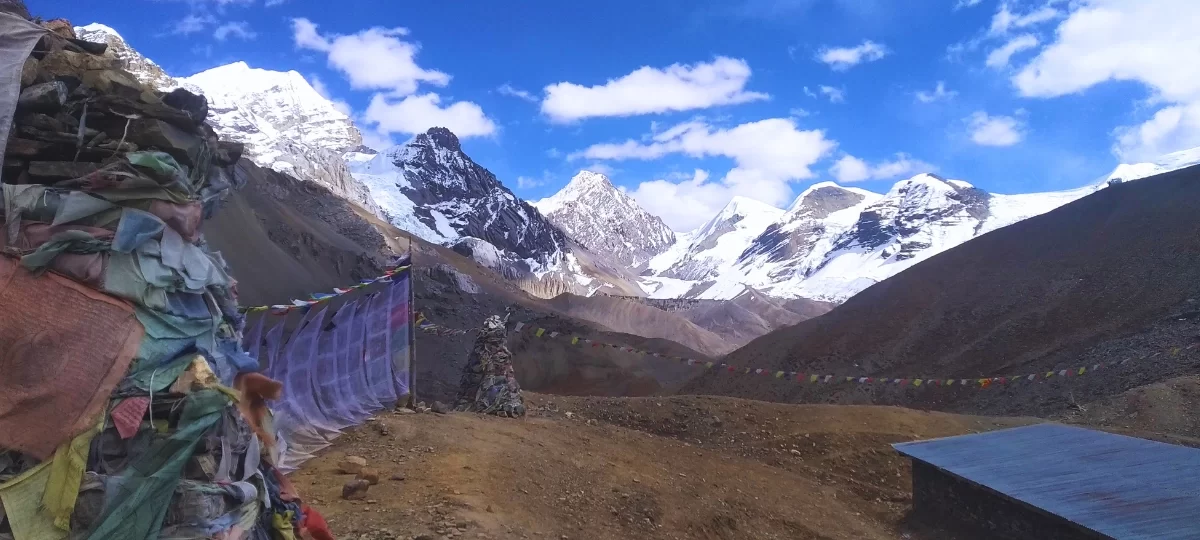
The Annapurna Circuit Trek itinerary is widely regarded as one of the most scenic, diverse, and rewarding long-distance treks in Nepal. Encircling the Annapurna Massif, this classic Himalayan journey takes trekkers through dramatic changes in landscape, culture, climate, and altitude—ranging from subtropical valleys and terraced farmlands to high alpine deserts and one of the world’s highest trekking passes, Thorong La Pass (5,416 m).
This blog is written as a proper trekking-planner-level guide, not a surface overview. It is designed for trekkers who genuinely want to understand how the Annapurna Circuit Trek itinerary works day by day, why acclimatization matters, how long each day takes, what the trail conditions are like, and what to realistically expect on the most challenging sections.
The itinerary below focuses on the most popular and safest 12–14 day Annapurna Circuit Trek itinerary, which balances trekking enjoyment, acclimatization, and safety. Shorter itineraries are possible but are not recommended for most trekkers.
Annapurna Circuit Trek Itinerary Overview
Before going into the day-by-day details, it is important to understand the overall structure of the Annapurna Circuit Trek.
- Total trekking duration: 12–14 days
- Maximum altitude: 5,416 m (Thorong La Pass)
- Starting point: Besisahar or Chame
- Ending point: Jomsom / Pokhara
- Difficulty level: Moderate to challenging
- Accommodation: Tea houses (lodges)
- Best seasons: Spring (March–May) and Autumn (September–November)
This itinerary follows the golden rule of high-altitude trekking: climb high, sleep low, and gain altitude gradually after Manang. This approach significantly reduces the risk of altitude sickness.
Detailed Annapurna Circuit Trek Day-by-Day Itinerary (12–14 Days)
Day 1: Drive from Kathmandu to Besisahar and onward to Chame
- Driving time: 7–9 hours (depending on road conditions)
- Starting altitude: 1,400 m (Kathmandu)
- Ending altitude: 2,670 m (Chame)
- Accommodation: Tea house
The journey begins with a scenic drive from Kathmandu following the Trishuli and Marsyangdi rivers. The road passes through terraced hills, traditional villages, and small towns before reaching Besisahar. From here, most trekkers continue by jeep to Chame, avoiding dusty road walking in the lower section of the Annapurna Circuit.
Chame, the administrative headquarters of Manang District, marks the true mountain environment. Snow-capped peaks, pine forests, and crisp mountain air signal the beginning of the trekking adventure.
Why this day matters: Gaining altitude quickly by vehicle makes it essential to walk slowly from the next day onward and stay well hydrated.
Day 2: Chame to Upper Pisang
- Walking time: 5–6 hours
- Distance: Approx. 14 km
- Starting altitude: 2,670 m
- Ending altitude: 3,300 m
- Accommodation: Tea house
The trail follows the Marsyangdi River through dense pine and fir forests. One of the highlights of this day is the dramatic Paungda Danda rock face, rising sharply above the valley. As the trail climbs, the landscape begins to open up, and the first clear views of Annapurna II and Lamjung Himal appear.
Upper Pisang is preferred over Lower Pisang because it sets trekkers up for the high route the following day, which offers better acclimatization and panoramic views.
Trail condition: Well-defined trail with gradual ascent
Day 3: Upper Pisang to Manang (via Ghyaru and Ngawal – Upper Route)
- Walking time: 6–7 hours
- Distance: Approx. 17 km
- Starting altitude: 3,300 m
- Ending altitude: 3,540 m
- Accommodation: Tea house
This is one of the most scenic days of the Annapurna Circuit Trek itinerary. The trail climbs steeply to Ghyaru, offering breathtaking views of Annapurna II, III, IV, and Gangapurna. The path then continues through Ngawal, a beautiful traditional village with stone houses and monasteries.
Although physically demanding, this upper route is highly recommended for proper acclimatization and superior mountain scenery compared to the lower trail.
Why this route is important: Slower altitude gain and extended time above 3,000 m help the body adapt naturally.
Day 4: Acclimatization Day in Manang
- Altitude: 3,540 m
- Accommodation: Tea house
Acclimatization in Manang is non-negotiable for a safe Annapurna Circuit Trek. Skipping this rest day greatly increases the risk of altitude sickness later at Thorong La Pass.
Trekkers are encouraged to take short hikes such as:
- Gangapurna Lake
- Praken Gompa
- Ice Lake (challenging but rewarding)
Manang also offers bakeries, coffee shops, a small hospital, and trekking gear stores.
Key tip: Rest does not mean inactivity—light hiking is essential for acclimatization.
Day 5: Manang to Yak Kharka
- Walking time: 4–5 hours
- Distance: Approx. 10 km
- Starting altitude: 3,540 m
- Ending altitude: 4,050 m
- Accommodation: Tea house
The trail gradually ascends through open alpine terrain. Vegetation becomes sparse, and the air noticeably thinner. Trekkers often spot yaks grazing along the trail, which gives Yak Kharka its name.
Common mistake: Walking too fast. Slow, steady pacing is crucial from this point onward.
Day 6: Yak Kharka to Thorong Phedi / High Camp
- Walking time: 3–4 hours
- Distance: Approx. 7 km
- Ending altitude: 4,450 m (Thorong Phedi) / 4,880 m (High Camp)
- Accommodation: Tea house
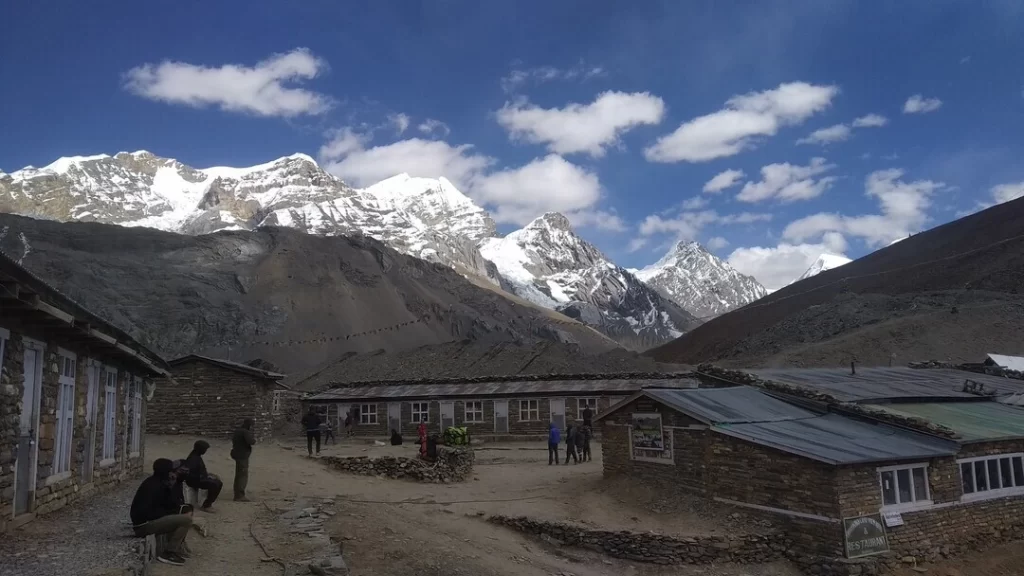
This short trekking day allows the body to adapt before the pass crossing. Most trekkers stay at Thorong Phedi, while stronger trekkers may continue to High Camp to shorten the next day.
Trail condition: Narrow sections with potential rockfall areas
Day 7: Thorong Phedi → Thorong La Pass → Muktinath
- Walking time: 8–9 hours
- Distance: Approx. 15 km
- Maximum altitude: 5,416 m
- Ending altitude: 3,800 m
- Accommodation: Tea house
This is the most challenging and rewarding day of the Annapurna Circuit Trek itinerary. The ascent to Thorong La Pass begins early (around 4–5 AM) to avoid strong winds. The climb is long and gradual, requiring mental strength and steady pacing.
After reaching the pass, trekkers are rewarded with stunning Himalayan views before a long descent to Muktinath, a sacred pilgrimage site.
Why this day is critical: Weather, acclimatization, and pacing determine success.
Day 8: Muktinath to Jomsom
- Walking time: 5–6 hours
- Distance: Approx. 18 km
- Ending altitude: 2,720 m
- Accommodation: Tea house
The trail descends into the Kali Gandaki Valley, one of the world’s deepest gorges. The landscape changes dramatically into a dry, windswept region. Strong afternoon winds are common, making early starts essential.
Day 9: Jomsom to Pokhara (Flight or Drive)
- Flight time: 20–25 minutes
- Drive time: 8–10 hours
The trek officially ends in Jomsom. A short mountain flight to Pokhara offers spectacular aerial views, while driving is an alternative during bad weather.
Why 12–14 Days Is the Best Annapurna Circuit Trek Itinerary?
- Proper acclimatization
- Reduced altitude sickness risk
- More enjoyable trekking pace
- Higher success rate at Thorong La Pass
Shorter itineraries are risky and not recommended for first-time high-altitude trekkers.
Annapurna Circuit Trek Altitude Summary
- Chame: 2,670 m
- Pisang: 3,300 m
- Manang: 3,540 m
- Yak Kharka: 4,050 m
- Thorong Phedi: 4,450 m
- Thorong La Pass: 5,416 m
- Muktinath: 3,800 m
FAQs – Annapurna Circuit Trek Itinerary
How many days are ideal for the Annapurna Circuit Trek?
The ideal duration is 12–14 days for safety and enjoyment.
Which is the hardest day on the Annapurna Circuit Trek?
Crossing Thorong La Pass is the most physically demanding day.
Is acclimatization really necessary in Manang?
Yes. It significantly reduces altitude sickness risk.
Can beginners follow this itinerary?
Yes, with good fitness, slow pacing, and proper acclimatization.
Final Words
This Annapurna Circuit Trek itinerary (12–14 days) is designed to be realistic, safe, and highly informative. It reflects real trekking conditions and proven acclimatization strategies, making it suitable for trekkers who want a genuine Himalayan experience without unnecessary risk.