Complete Guide to the Annapurna Circuit Trek Cost
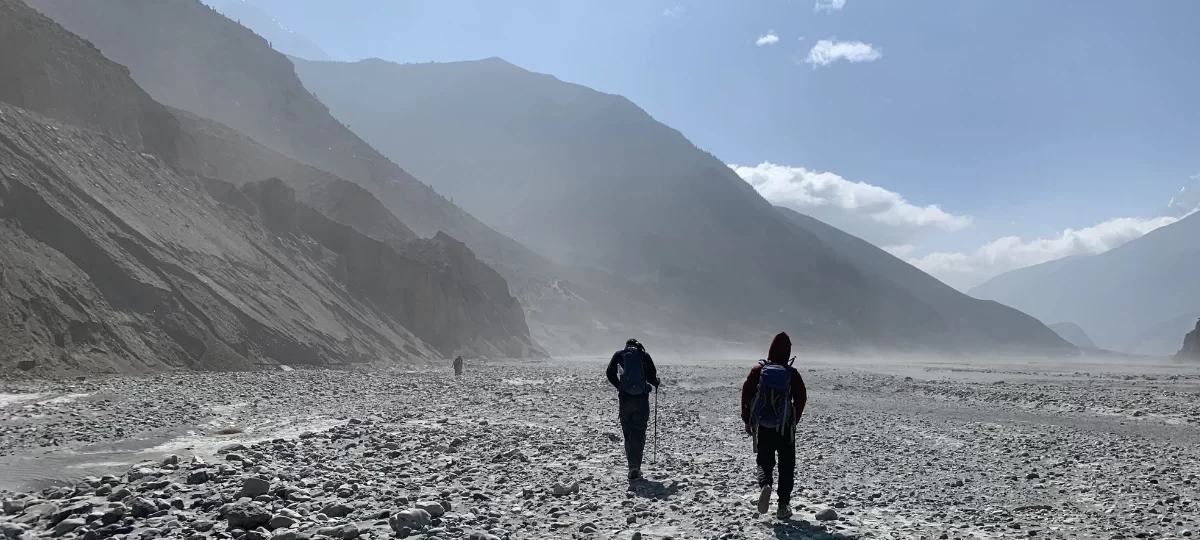
You wake up before sunrise in a quiet mountain village. Your breath fogs the cold air as you unzip the window of a wooden tea house room. Outside, the peaks glow pink under the first light of day. Somewhere below, a mule bell echoes through the valley.
Today, you will walk for hours — up dusty trails, across suspension bridges, through villages where life hasn’t changed for generations. By evening, you’ll be sitting around a warm stove with strangers who somehow already feel like friends, eating a simple plate of Dal Bhat while the temperature outside drops below freezing.
This is the reality of the Annapurna Circuit.
But before this dream becomes real, one practical question stands between you and the mountains:
What is the actual cost of the Annapurna Circuit Trek?
Is it cheap? Expensive? Worth it? Are there hidden expenses? Can you do it on a budget?
The beautiful truth is this:
For less than the price of a short vacation in many Western countries, you can spend two weeks walking across one of the most spectacular mountain regions on Earth — crossing the legendary Thorong La Pass at 5,416 meters and descending into landscapes that feel closer to Tibet than Nepal.
This complete guide to the Annapurna Circuit Trek cost is not just a list of prices. It’s a real, ground-level look at where your money goes, what you can expect day by day, and why this journey offers extraordinary value.
By the end, you will know exactly how to budget — whether you are a backpacker, a solo traveler, a couple, or planning a once-in-a-lifetime Himalayan adventure.
Why the Annapurna Circuit Trek Cost Feels Different From Normal Travel?
On a beach holiday, you pay for comfort.
On a city trip, you pay for convenience.
On the Annapurna Circuit, you pay for survival, energy, and access to places few people on Earth will ever see.
Food costs more because everything is carried up the mountains by porters or animals.
Rooms are simple because building materials must be transported by hand.
Hot showers are rare because water freezes at high altitudes.
Every dollar has a story behind it.
Quick Overview: Average Annapurna Circuit Trek Cost
- 🎒 Budget independent trek: $700 — $1,000
- 🥾 Standard guided trek: $1,300 — $1,800
- ⭐ Private premium trek: $2,000 — $3,500+
Most travelers fall somewhere in the middle — comfortable, safe, and supported without being luxurious.
Detailed Breakdown: Where Your Money Actually Goes?
1) Annapurna Circuit Trek Permit Cost
Before starting the trek, you must obtain official permits.
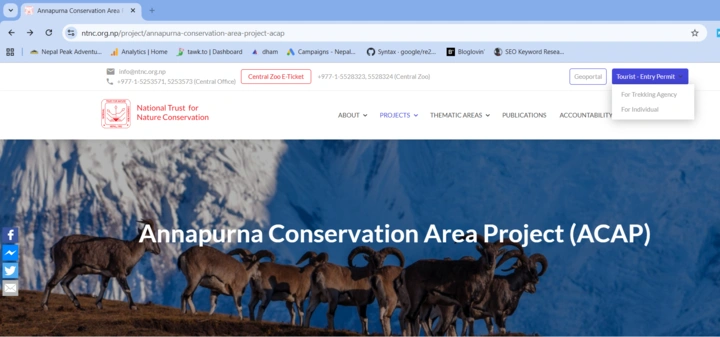
These permits allow you to enter the protected Annapurna region and help support conservation projects, local communities, and trekking infrastructure.
Here are the required permit and their cost:
Required Permits
TIMS Card (Trekkers’ Information Management System)
Approx: NPR 2,000 (~$15)
ACAP Permit (Annapurna Conservation Area Project)
Approx: NPR 3,000 (~$23)
👉 Total permit cost: about $40 per person
These fees help maintain trails, protect wildlife, support rescue operations, and fund local communities.
2) Transportation to the Trail
Most journeys begin in Kathmandu or Pokhara.
The road to the trailhead is long, dusty, and winding — an adventure in itself.
Budget Option — Local Bus / Shared Jeep
$20 — $40
Crowded, bumpy, but cheap.
Tourist Bus + Jeep Combination
$40 — $70
More comfortable and reliable.
Private Jeep
$250 — $400 per vehicle
Fastest and least exhausting, especially for groups.
Many trekkers choose private transport simply to arrive fresh rather than shaken by hours of rough roads.
3) Accommodation: Tea House Experience
After a long day of walking through pine forests and rocky trails, the first thing every trekker looks for is a small wooden building with colorful prayer flags outside — a tea house.
When you finally reach a village like Manang or Pisang, your guide will lead you inside a cozy dining hall where a small stove warms the room. The owner will smile and hand you a key to a simple room upstairs.
The room usually has two beds, a mattress, a pillow, and a thick blanket. There is no heater in the room, and sometimes the wooden walls let in the cold wind from the mountains.
But after trekking for 6 or 7 hours, it feels perfect.
The Annapurna Circuit tea house cost is surprisingly affordable:
Average Room Prices
- Lower elevations: $5 — $8
- Mid elevations: $6 — $10
- High elevations: $8 — $15
Rooms usually contain:
- Two narrow beds
- Foam mattresses
- Heavy blankets
- Wooden walls
- Shared bathrooms
There is no heating in bedrooms. Nights can be freezing.
But evenings in the dining hall — warm, lively, full of laughter and stories — are often the highlight of the day.
4) Food Cost: Your Main Daily Expense
After hours of trekking uphill, hunger hits hard.
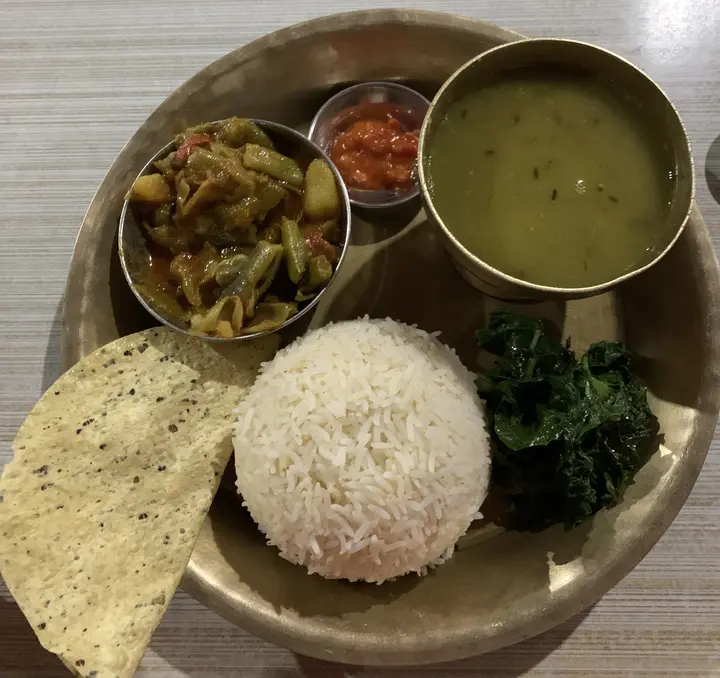
When you sit down in the dining hall and see a steaming plate of Dal Bhat coming toward your table, it feels like the best meal in the world.
Dal Bhat is the most popular meal on the Annapurna Circuit. It includes rice, lentil soup, vegetables, and sometimes curry. The best part is that many tea houses offer free refills, which is perfect for hungry trekkers.
Food prices increase as you go higher because every ingredient must be carried up the mountain by porters or animals.
Typical Daily Food Budget
- Lower region: $15 — $20
- Mid region: $20 — $25
- High region: $25 — $35
Menus are surprisingly varied:
- Dal Bhat (the famous refillable meal)
- Fried rice and noodles
- Pasta and potatoes
- Soups and momos
- Pancakes and eggs
- Tea, coffee, hot chocolate
Dal Bhat becomes the hero of the trek — filling, nutritious, and comforting.
5) Guide Cost: More Than Just Navigation
On the first day of trekking, trails seem easy and villages are frequent.
But as you climb higher into the Annapurna region, the terrain becomes more remote and the weather can change quickly. This is where a guide becomes incredibly valuable.
A good guide does much more than show the way. They check your health, monitor altitude sickness, arrange rooms at tea houses, and help you communicate with local families.
Many trekkers say their guide became their closest friend during the trek.
Here is the average guide cost:
$25 — $35 per day
On difficult days — especially near the pass — a good guide can make the difference between misery and confidence.
6) Porter Cost: Carrying More Than Just Bags
As you climb higher toward the famous pass, even a small backpack can start to feel heavy.
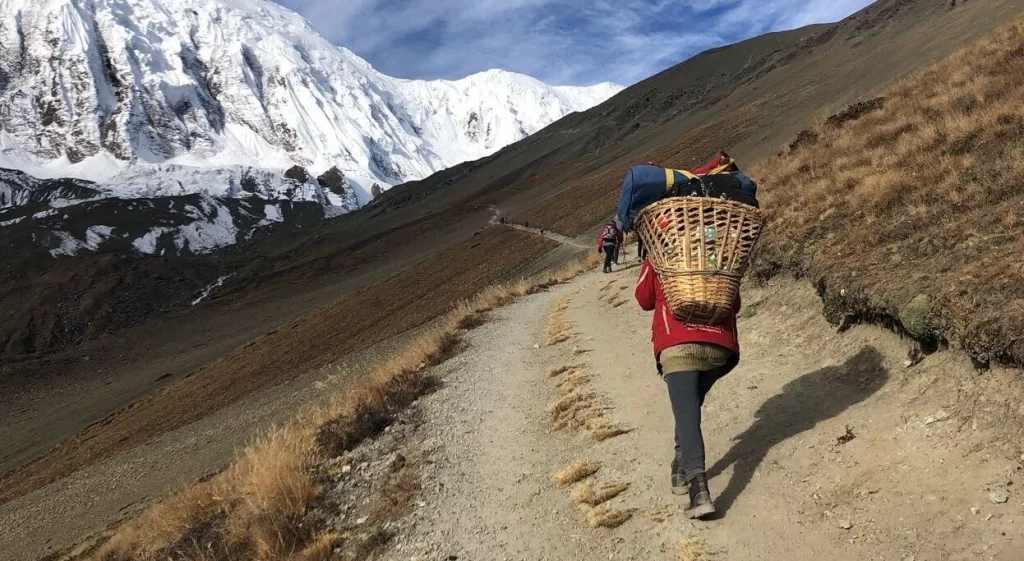
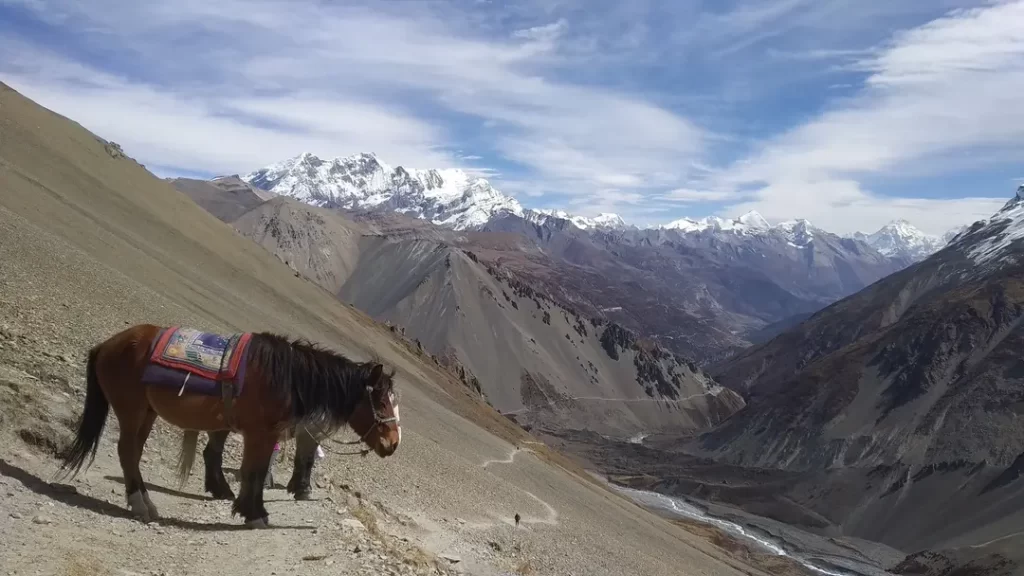
This is when you notice something impressive — local porters walking uphill carrying enormous loads with a simple strap across their forehead.
Hiring a porter allows you to trek with only a light daypack while someone else carries your main bag.
Porters usually carry luggage for two trekkers (about 20–25 kg total).
The Annapurna Circuit porter cost is usually:
$20 — $30 per day
Most carry luggage for two trekkers (about 20–25 kg total).
Many travelers say hiring a porter made the trek far more enjoyable.
7) Daily Personal Expenses
At lower elevations, small luxuries are easy to ignore.
But after days of trekking at high altitude, even simple comforts feel special.
For example, when you finally reach a tea house after walking through freezing winds, a hot shower can feel like a five-star experience.
So, other small costs include:
- Hot shower: $2 — $5
- Wi-Fi: $2 — $5
- Charging devices: $1 — $3/hour
- Snacks: $2 — $6
- Bottled water: $1 — $4
A simple chocolate bar at 4,000 meters can feel like treasure.
8) Gear Costs: Buy or Rent
Before starting the trek, many travelers wonder if they need to buy expensive trekking gear.
The good news is — you don’t have to.
When you walk through the busy streets of Thamel in Kathmandu or the lakeside area of Pokhara, you’ll see dozens of trekking shops renting equipment to travelers preparing for Himalayan adventures.
Backpacks, down jackets, sleeping bags, trekking poles — everything you need for trekking in Nepal can easily be rented for a small daily price.
Many trekkers arrive with only basic clothing and rent the rest of their equipment locally.
Typical rental costs:
- Down jacket: $1 — $2/day
- Sleeping bag: $1 — $2/day
- Trekking poles: $1/day
Buying new gear can cost hundreds or thousands — renting is ideal for most travelers.
9) Insurance: The Safety Net You Hope Not to Use
When trekking at high altitude, safety should always come first.
The Annapurna Circuit reaches extreme elevations, especially when crossing the famous Thorong La Pass at 5,416 meters.
At these heights, altitude sickness can affect anyone — even experienced trekkers.
That is why travel insurance that covers high-altitude trekking and helicopter evacuation is strongly recommended.
Imagine feeling sick at 4,500 meters with no road access nearby. In serious cases, the only rescue option may be a helicopter evacuation.
Without insurance, a helicopter rescue in the Himalayas can cost $3,000 – $5,000 or more.
Fortunately, travel insurance is relatively affordable.
Typical cost: $80 — $200
Considering the potential risks of trekking in the mountains, this is one of the most important expenses to include in your Annapurna Circuit trek budget.
10) Tipping: A Meaningful Thank You
Guides and porters work incredibly hard in difficult conditions.
At the end of the trek, when you finally descend into the valley and the journey comes to an end, many trekkers feel a deep sense of gratitude toward the people who helped them along the way.
Guides help you navigate trails, manage altitude, and find the best tea houses. Porters carry heavy backpacks across steep mountain paths so you can trek comfortably.
Tipping is not mandatory, but it is a common way to show appreciation for their hard work.
Suggested tips:
- Guide: $80 — $150 total
- Porter: $60 — $120 total
It’s not just money — it’s recognition of effort and care.
Real Daily Budget Example
A comfortable mid-range day might look like:
- Room: $8
- Food: $25
- Personal expenses: $7
- Guide share: $15
- Porter share: $12
👉 Total: about $65–70 per day
Scenario-Based Budgets
🎒 Budget Backpacker
Independent travel, public transport, no porter.
👉 $700 — $900
👫 Couple Trekking Together
Shared costs reduce expenses per person.
👉 $1,000 — $1,400 each
👩 Solo Trekker with Guide
Safe, popular choice.
👉 $1,300 — $1,700
⭐ Luxury / Private Trek
Private transport, top lodges, full support.
👉 $2,500+
Annapurna Circuit vs Everest Base Camp Cost
Many trekkers planning a Himalayan adventure often compare the Annapurna Circuit Trek with the Everest Base Camp Trek. Both treks are world-famous and offer incredible mountain scenery, but the overall cost of these two adventures can be quite different.
In general, the Annapurna Circuit trek cost is lower than the Everest Base Camp trek cost. One of the main reasons is transportation. To begin the Everest Base Camp trek, most trekkers need to take a flight from Kathmandu to Lukla Airport, which can cost several hundred dollars for a round-trip ticket. In contrast, the Annapurna Circuit trek usually starts with a bus or jeep ride from Kathmandu or Pokhara, which is much more affordable.
Another difference comes from daily expenses during the trek. Food and accommodation in the Everest region are generally more expensive because supplies must be transported by air or carried by porters and yaks through very remote terrain. On the Annapurna Circuit, the trekking route passes through more villages and road-accessible areas, which helps keep prices slightly lower.
Overall, the Everest Base Camp trek can cost around 30–50% more than the Annapurna Circuit trek. However, both treks offer unforgettable experiences in the Himalayas. If you are looking for a more budget-friendly adventure with diverse landscapes and cultural experiences, the Annapurna Circuit is often considered the better value.
Seasonal Cost Differences
Peak Seasons (Oct–Nov, Mar–Apr)
- Best weather and views
- More trekkers
- Slightly higher prices
- Lodges fill quickly
Off-Season (Winter & Monsoon)
- Lower prices
- Fewer crowds
- Some lodges closed
- Tougher conditions
Hidden Costs People Often Forget
- Extra acclimatization days
- Emergency transport
- Souvenirs
- Laundry
- Snacks from home
- Currency exchange fees
Always keep a buffer fund.
How Much Cash Should You Carry?
ATMs are scarce along the trail. So, we suggest you around $400 — $700 in Nepali rupees for on-trek expenses.
Why the Annapurna Circuit Is One of the Best Value Adventures on Earth?
For roughly the price of a short holiday elsewhere, you can:
- Walk through multiple climate zones
- Cross a 5,000+ meter mountain pass
- Experience unique cultures and traditions
- Challenge your body and mind
- Create memories that last a lifetime
Few travel experiences offer this much depth, challenge, and beauty for the cost.
Final Thoughts — Complete Guide to the Annapurna Circuit Trek Cost
The complete guide to the Annapurna Circuit Trek cost reveals something surprising:
👉 This is not just affordable — it’s extraordinary value.
You are not simply buying a trip.
You are investing in an experience that will reshape how you see mountains, travel, and even yourself.
Plan carefully, budget wisely, and the Annapurna Circuit will reward you with one of the most powerful journeys on Earth.