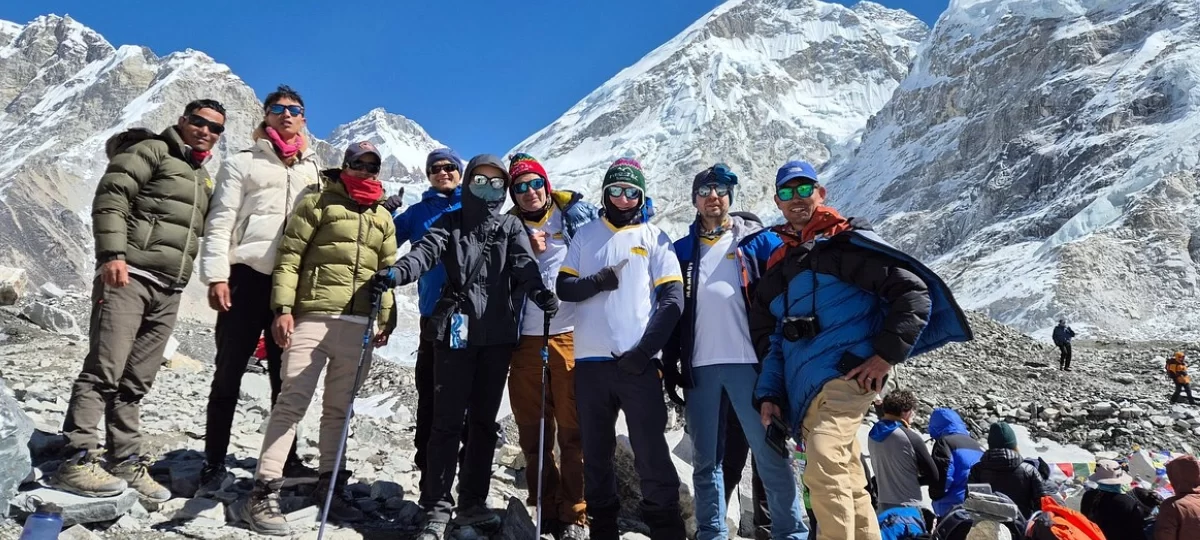
Everest Base Camp Local vs International Trekking Companies
Deciding who to book your Everest Base Camp (EBC) trek with is one of the biggest choices you’ll make before flying to Nepal. Should you save money and go with a Nepali operator who knows every twist of the Khumbu valley — or pay more to book through a big international company that promises polished service and extra guarantees?
In this long-form guide, I’ll walk you through everything: definitions, pros and cons, real cost examples, permits and logistics, safety and evacuation realities, porter welfare and ethics, how international companies work with local partners, a practical vetting checklist, and clear recommendations for different types of trekkers. Let’s dive into our blog: Everest Base Camp local vs international trekking companies.
Why does choosing Local vs International Trekking companies matter?
Your choice of operator affects safety, price, the on-trail experience, how your team treats local staff, emergency support, and even how flexible your itinerary can be. A wrong choice can mean surprise costs, poor treatment of porters, slow emergency response, or a stiff, one-size-fits-all group that doesn’t match the trip you wanted. A good choice improves acclimatization support, morale on the trail, and overall memories.
What do we mean by “local” and “international” companies?
Local trekking companies (based in Nepal)
- Registered and operating in Kathmandu (or Pokhara), these two cities are the heart of trekking operators in Nepal.
- Manage logistics directly: permits, Lukla flights, teahouse bookings, local guides and porters.
- Often lower overhead and lower published prices because they do not include large international marketing or foreign offices.
- Examples: Nepali-registered trekking agencies that advertise EBC packages directly (many are members of TAAN and/or registered locally).
International trekking companies (based outside Nepal)
- Headquartered in Europe, North America, Australia, or elsewhere.
- Often sell trips to foreign customers and partner with local Nepali operators for on-the-ground delivery (permits, guides, and logistics).
- May provide international customer service, branded guides, bundled insurance upsells, or higher-end extras.
- Their price includes retail margins, international support, and often a packaged customer experience.
Important practical note: Nepal has moved to tighten trekking rules and strongly encourages (and in some cases mandates) hiring local assistance and guides — which means even international companies usually must and do work through local Nepali partners on the ground. This is why many international packages are more expensive but still rely on Nepali logistics teams.
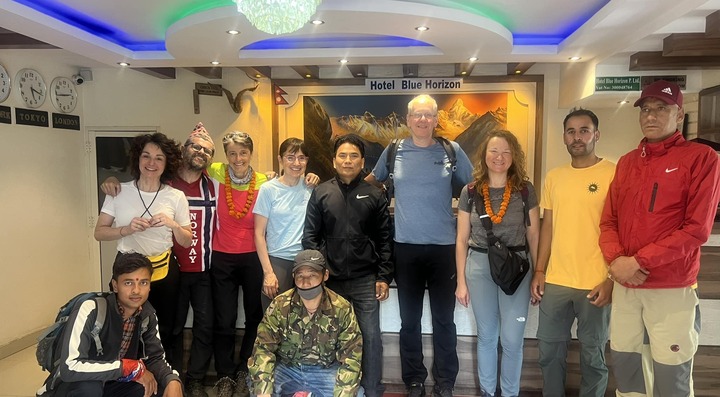
Everest Base Camp Local vs International Trekking Companies — pros & cons
Pros of local companies
- Lower base price for comparable services (you’re not paying large foreign overhead).
- Deep local knowledge and quick on-the-ground fixes (weather, Lukla delays, trail issues).
- Better ability to customize itineraries or respond to last-minute changes.
- Money tends to stay in the local economy.
Cons of local companies
- Varying levels of marketing polish, pre-trip handholding, and foreign-language sales support.
- Quality can vary widely from company to company; you must vet carefully.
- Some smaller operators may lack the resources to cover very expensive helicopter rescues themselves (that’s why insurance and emergency plans matter).
Pros of international companies
- Often polished customer service, global booking systems, and multi-country support.
- Clear refund/complaint procedures in the company’s home country (sometimes easier for customers to escalate).
- Often include a higher level of pre-trip logistics support and pairing with guides who speak multiple languages.
Cons of international companies
- Higher price due to retail markup / marketing / foreign costs.
- Many are essentially resellers — the real logistics still happen through Nepali partners (you may pay extra for the brand rather than extra local value).
- Less nimble on-the-ground in Nepal because decisions may require communication across time zones and corporate approval.
Permits, paperwork, and legal basics (what you must know)
Before you book anything, know the basics of permits and legal requirements for EBC: Sagarmatha National Park permits and local rural municipality entrance permits are required for trekkers visiting the Khumbu region; permit rules have changed over the years (for example TIMS card rules were updated), so always confirm current permit requirements with your operator before travel. Your operator (local or international) will normally handle these permits for you as part of the package unless you’re going fully independent.
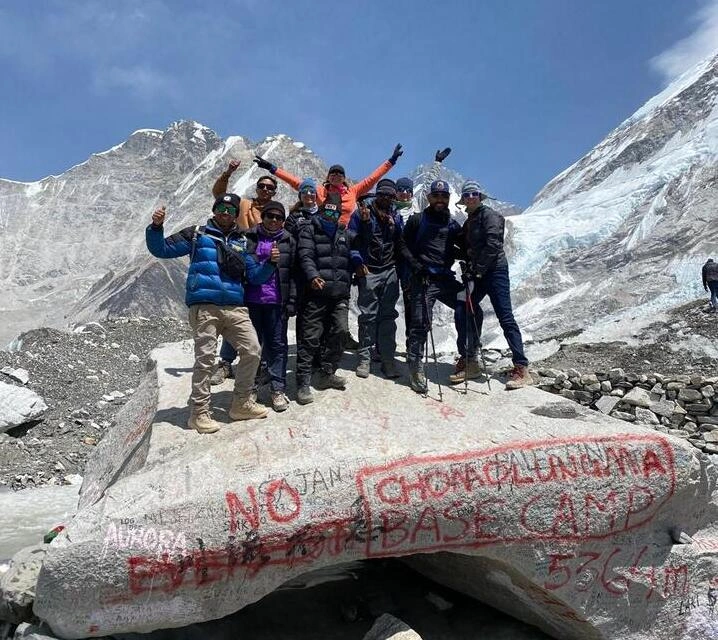
Costs: expected ranges and what drives price differences
Costs vary a lot depending on itinerary length, level of comfort, group size, inclusions, and flight timing. Here are realistic ranges you’ll see today:
- Local Nepali operator (mid-range, 12–14 day EBC package): commonly ~USD 1,000–1,600 per person (depending on group size, inclusions like private toilet rooms, buffer days for Lukla flights, higher-grade lodges, etc.). Example local listings often show prices around $1,200–$1,350 for standard 12–14 day packages.
- International operator (retail/packaged product, same itinerary length): commonly ~USD 1,800–4,000+ depending on extras, private guides, foreign guide leaders, luxury lodge options, or helicopter returns. Some luxury or fully-supported packages (air transfers, hotels, bigger teams, private sherpa, higher insurance) push the price even higher.
Why the difference? International outfits factor in overheads, marketing, foreign staff, and profit margins; they also often include additional customer-facing services. Local operators keep margins lower and run logistics directly — which usually produces better value for the same on-the-ground experience. That’s why many experienced trekkers choose local companies when they want the best price-to-service balance.
Real-case comparison (example line-items)
Below is a simplified illustration (estimates) of what’s typically included or excluded. Use it to compare quotes:
Local operator sample (estimated range): USD 1,200–1,400
- Domestic return flights (Kathmandu–Lukla) — included
- Sagarmatha NP & local permits — included
- Guide (licensed Nepali guide), tea-house accommodation, 3 meals/day on trek — included
- Porter (optional, per-person cost or shared) — often available for ~$20–$30/day
- Pre/post-trip hotel & city tours — sometimes extra
- Detailed trip briefing with welcome and farewell dinners
- Travel insurance and helicopter evacuation costs — usually not included (trekker must have insurance)
- International flights, visa fees, personal gear — excluded
International operator sample (estimated range): USD 2,000–3,500
- Same on-the-ground logistics but sold with: international booking platform, customer support in your country, sometimes foreign guide leader, optional higher-end lodges, and additional cancellation/assistance options.
- Often includes more customer-service “smoothing” (pre-trip briefings, phone app, guaranteed guide-to-client ratios) — but the actual Nepali guide and porters are usually hired locally and perform the same on-trail work.
Safety, rescue, and insurance — the hard facts
The Everest region is remote and medical evacuation by helicopter can be very expensive. Helicopter rescues, when medically necessary, are typically arranged but cost thousands of dollars — and you must ensure your travel insurance covers mountain rescue and helicopter evacuation at high altitude. Many insurers (and experienced guides) insist that you contact the insurer’s emergency assistance BEFORE any helicopter lift is performed so the insurer authorizes and covers it. Popular high-altitude policies (e.g., specialist adventure insurance) will explicitly list helicopter evacuation coverage and the conditions. Don’t assume your standard travel insurance will be enough: check altitude limits, rescue coverage, and medical evacuation limits carefully.
Two practical takeaways:
- Buy adventure/high-altitude insurance that explicitly covers helicopter evacuation and medical repatriation from Nepal.
- Ask your operator what emergency plan they have, who they contact for medevacs, and how they’ve handled past emergencies.
Ethical and environmental considerations (porters, staff welfare, and the trail)
Trekking in Nepal relies on local porters, kitchen staff, and Sherpa guides. Ethical treatment matters — both morally and practically (happy, healthy staff provide a safer, higher-quality trek). Key points you should demand from any operator:
- Porters should not be overloaded — responsible operators follow recommended limits (commonly 20–25 kg or a max of ~30 kg in some contexts). Responsible travel standards and porter-welfare guidelines exist and should be followed.
- Fair wages and transparent tipping policies: wages vary across operators and regions, but ethical operators pay a stable basic wage separate from tips and provide insurance and food/accommodation for porters. Expect to see daily porter wages in the ballpark of USD 15–30/day, depending on operator and region; verify what the quoted price includes (wage only vs wage+food+insurance).
- Proper gear and health checks: a reputable operator supplies appropriate sleeping gear for porters or at least ensures porters aren’t forced to use trekkers’ personal equipment.
- Environmental responsibility: ask whether the operator follows ‘leave no trace’ principles and participates in local clean-up programs.
If supporting local livelihoods and ensuring decent porter welfare are priorities for you, a certified local operator with clear porter policies is often the best choice.
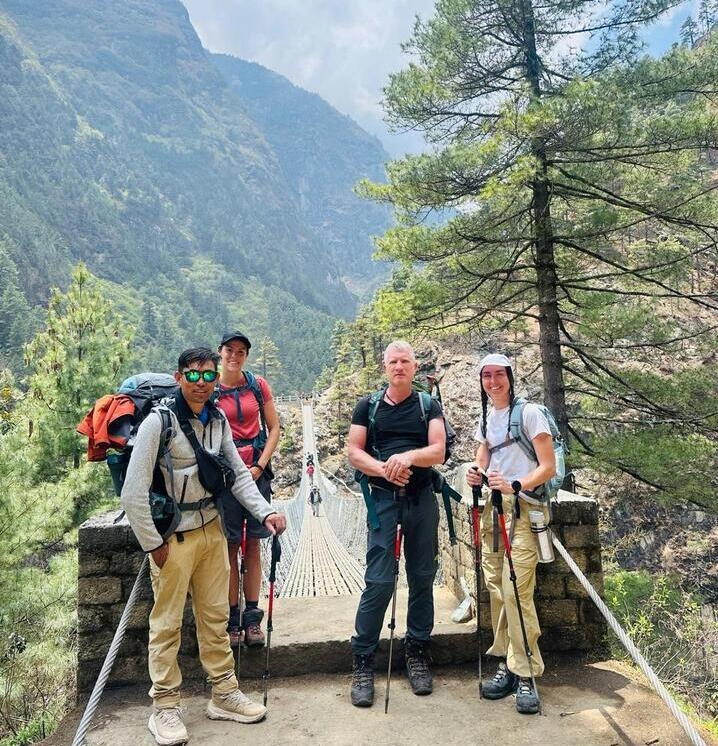
How international companies actually operate on the ground (the partnering model)
Many international companies are booking and marketing hubs rather than complete in-country logistics managers. They commonly partner with Nepali agencies to run the trek — the local partner organizes permits, books flights, hires guides and porters, and handles day-to-day logistics. The international firm handles marketing, customer acquisition, and often customer-facing services like pre-trip briefings. That partnership model explains part of the price gap: international firms add their margin on top of the local operator’s cost. If transparency matters to you, ask any international company which Nepali partner they use and check that partner’s credentials and reviews.
Detailed vetting checklist — what to ask every operator (local and international)
Before you book, ask these exact questions and get written answers:
- Permits & paperwork: Will you arrange Sagarmatha NP/municipal permits and any rural municipality fees? (They should.)
- Emergency plan: What is your medevac procedure? Which air operator do you use for evacuations? Who pays if insurance denies the claim?
- Insurance expectations: Do you require we buy a particular type of insurance? What altitude limit does it need to cover? (Insist on helicopter evacuation coverage.)
- Guides & certifications: Are guides licensed by Nepal authorities? What certifications do they hold (wilderness first aid, mountain rescue experience)?
- Porter policy: What is your porter daily wage, load limit, and equipment policy? Who provides sleeping bags and boots for porters? (Good companies are transparent here.)
- Group size & guide ratio: How many clients per guide? (1:2 or 1:3 is common for quality service.)
- Inclusions/exclusions: Exactly what is included in the price (meals, Lukla flight, accommodation, tips, permits)? What is extra?
- Cancellation & refund policy: What happens if flights to/from Lukla are canceled due to weather? (Look for clarity on refund and re-scheduling terms.)
- References & reviews: Ask for recent references, and check independent review sites (TripAdvisor, Google, travel forums).
- Local partner transparency (for international companies): Which Nepali company will run the trek on the ground? Ask to vet that partner directly.
Which option is best for you? (Practical recommendations)
Choose a Nepali/local company if you:
- Want the best value for money and don’t need extra international-level concierge support.
- Prefer flexible itineraries and quicker, in-country adjustments.
- Want to support local businesses directly and ensure money stays in Nepal.
- Are willing to vet companies by reviews, ask questions, and accept that the sales team may be less glossy.
Choose an international company if you:
- Prefer booking from your home country with customer service in your language/time zone and strong pre-trip support.
- Want the reassurance of a brand-level refund/complaint channel in your home country.
- Require extra service elements (international guide leader, luxury lodging packages, group dynamics).
- Are comfortable paying more for the convenience and perceived guarantees.
A hybrid approach (very practical):
- Book through an international operator that names and lets you vet the exact Nepali partner. Or book directly with a respected Nepali company that has strong TripAdvisor reviews, TAAN membership, and good references. Either way, vet the on-the-ground provider — because they will be the ones saving your life, arranging a heli lift, and finding you a room in Lukla.
A sample “what to expect” day-by-day (brief) — to compare itineraries
Most mid-range EBC treks follow similar rhythms:
- Day 1: Fly Kathmandu → Lukla; trek to Phakding or Monjo
- Days 2–7: Gradual ascent through Namche Bazaar, Tengboche, Dingboche for acclimatization
- Day 8–10: Push toward Lobuche and Gorak Shep; summit-day style hike to Everest Base Camp and Kala Patthar for sunrise (returning to Gorak Shep)
- Day 11–13: Retrace steps down to Lukla, fly back to Kathmandu (allow buffer days for flight delays)
Compare inclusions (hotels, meals, guide ratio, optional rest days) when you compare local vs international itineraries.
Practical tips to save money without compromising safety
- Travel in the shoulder seasons (late Sept–Oct and Mar–May) for better pricing than peak windows, but balance with weather.
- Share a porter between two trekkers to reduce per-person porter cost (but don’t overload a porter).
- Book early for peak autumn season — Lukla flights sell out and prices jump.
- Pick a reputable local company with excellent reviews instead of an unknown “cheap” agency. The very cheapest offers often cut corners on staff welfare and rescue planning.
- Bring appropriate insurance — one of the best value-for-money protections you’ll buy for EBC.
Final checklist before you hit “book”
- Confirm exactly which Nepali company will run your trek (if booking internationally).
- Verify permits are included (Sagarmatha NP, municipal permits).
- Confirm helicopter/evacuation procedure and buy appropriate adventure insurance that covers helicopter evacuation.
- Ask for porter-policy details (wages, load limits, gear).
- Compare total price (local vs international) for identical inclusions — don’t compare an all-inclusive international package to a bare-bones local package.
- Read recent traveler reviews and ask for references.
When you weigh Everest Base Camp local vs international trekking companies, remember that the real trek experience in Khumbu will usually be delivered by Nepali guides and porters — even when you book through a big international brand. Local operators generally offer the strongest value and nimbleness on the ground, while international operators sell extra comfort, peace-of-mind in your home country, and a one-stop booking experience. The smartest travelers compare the actual on-the-ground provider, vet that partner carefully, confirm rescue & insurance plans, and then pick the operator whose answers reassure them most.
Hope this blog helps you out. And if you are looking for the best local Everest Base Camp Trek operator, connect with Nepal Peak Adventure. Thank you.