Rainbow Valley on Everest: The Haunting Beauty Above the Death Zone
Mount Everest, the world’s tallest peak standing at 8,848.86 meters (29,031.7 feet), draws thousands of climbers each year from around the globe, each chasing the dream of standing on top of the world. But beyond the glory, Everest holds stories of tragedy and death — none more chilling and visually striking than those hidden in the shadow of a place called Rainbow Valley.
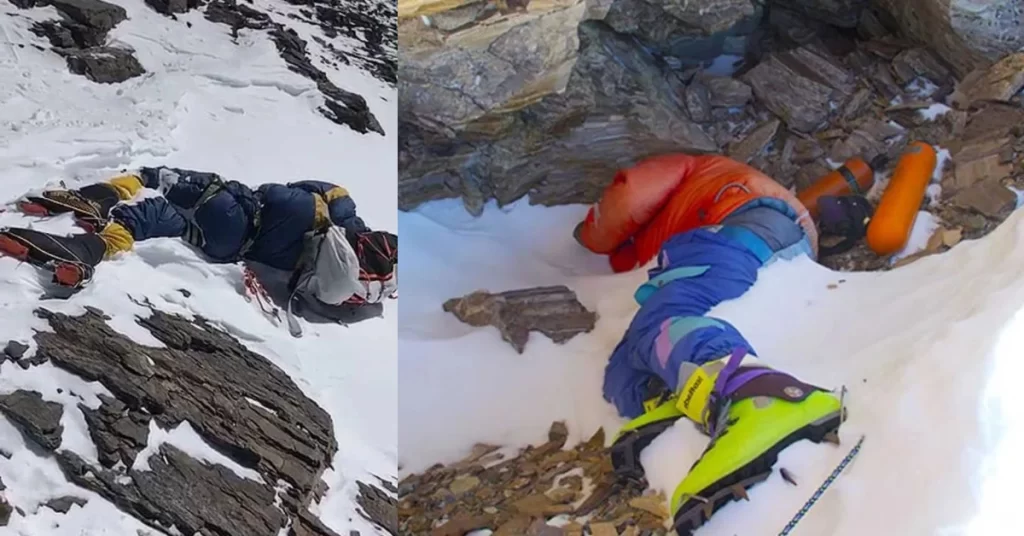
Despite its poetic name, Rainbow Valley is not a place of vibrant flowers or glowing arcs in the sky, but rather a haunting graveyard located near Everest’s summit. Colored by the brightly hued clothing of fallen climbers, the valley silently tells the stories of those who never returned from the mountain.
Where is Rainbow Valley on Mount Everest?
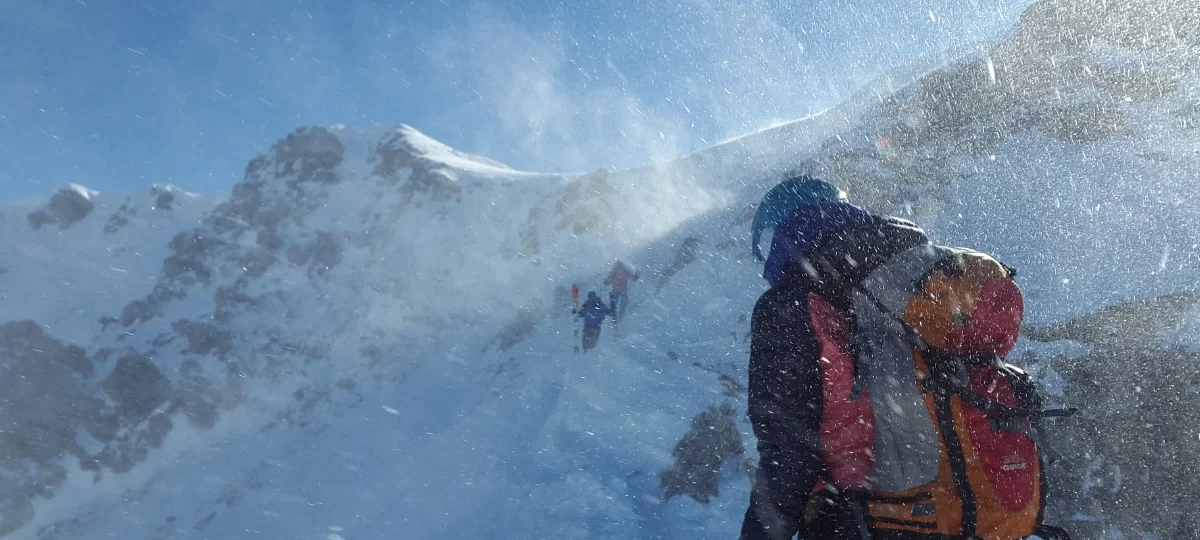
Rainbow Valley lies just below the Northeast Ridge, on the northern route to the summit of Everest via Tibet (China side). It is situated above 8,000 meters, within the notorious Death Zone — a place where oxygen levels drop to just one-third of what they are at sea level. In this hostile environment, the human body starts to die slowly from oxygen deprivation, and the margin for error becomes razor-thin.
This valley is not an official landmark marked on maps, but climbers and Sherpas have used the name to describe a section where numerous bodies of climbers are scattered along the trail — some partially hidden by snow, others fully visible even decades after their deaths.
Why is it Called “Rainbow Valley”?
The name Rainbow Valley originates from the vivid down suits and jackets worn by mountaineers. These suits come in bright colors — red, blue, yellow, green, and orange — intended to increase visibility in the snow. Over time, the gear-clad bodies of deceased climbers became permanent fixtures of the terrain, creating an eerily colorful contrast to the white and grey environment.
What seems like a beautiful name at first glance takes on a much darker tone when you realize what paints the valley with its “rainbow.”
The Reality of Death on Everest
Climbing Everest is not only physically demanding but also extremely dangerous. Since the first successful summit by Sir Edmund Hillary and Tenzing Norgay in 1953, over 330 people have died trying to reach or descend from the summit.
In the Death Zone, temperatures can drop below -40°C (-40°F), and the lack of oxygen makes every step a monumental effort. In these conditions:
- Exhaustion sets in quickly.
- Judgement becomes impaired.
- Simple mistakes become fatal.
- Rescue missions are nearly impossible.
Due to these harsh realities, many climbers who die above 8,000 meters are left where they fall, and their bodies remain preserved in the freezing temperatures — sometimes for decades.
Why Are Bodies Left Behind?
Removing a body from above 8,000 meters is an incredibly difficult and dangerous task. A human body at that altitude becomes frozen solid, weighs more than 100 kilograms, and is difficult to transport on narrow, icy ridges. Rescue teams would need to risk their lives in an already deadly zone.
Moreover, the cost of retrieving a body from the upper slopes of Everest can be between $30,000 to $70,000 or more, and some climbers have explicitly stated they wish to remain on the mountain if they die.
As a result, many climbers who perish are left behind — some even used as landmarks by future summiteers.
Notable Bodies in Rainbow Valley
1. “Green Boots”
Possibly the most infamous body on Everest, Green Boots is believed to be Tsewang Paljor, an Indian climber who died in 1996. His body, still wearing neon green mountaineering boots, lay curled in a limestone alcove on the northeast route for years and became a grim milestone for those climbing the northern route.
While his exact location isn’t in Rainbow Valley, it represents the same phenomenon and eeriness — a fallen climber, silently guiding others.
2. Francys Arsentiev
Francys Arsentiev, known as “The Sleeping Beauty of Everest,” died in 1998 while descending without supplemental oxygen. Her body remained on the mountain for years until it was eventually moved out of sight. She was one of the first American women to climb Everest without oxygen — her story is both inspiring and heartbreaking.
3. David Sharp
In 2006, British climber David Sharp died near the spot where Green Boots lay. His death sparked international controversy because over 40 climbers passed him on their way to the summit, many mistaking him for already dead or choosing not to help due to the extreme risk involved.
These cases, among hundreds more, paint a sobering picture of the cost of climbing Everest.
Psychological and Ethical Dilemmas
Rainbow Valley forces climbers to confront moral and emotional questions: Should they attempt to rescue someone at risk to their own life? Should the bodies be removed to honor the dead? Or should the fallen remain, as part of the mountain they loved?
For some, passing these bodies is a source of trauma; for others, it is a moment of deep reflection and respect. There’s a grim acceptance among many Everest climbers — that death is part of the journey, and not everyone returns.
Climbing Culture and Acceptance of Risk
Unlike other sports, high-altitude mountaineering involves accepted risks — and climbers often sign disclaimers acknowledging the possibility of death. The culture of Everest has long included the understanding that self-reliance is critical, and that not everyone will make it back.
Many climbers express in their wills or to their families a wish to remain on the mountain if they die, believing it to be a place where they felt most alive.
Clean-Up Efforts and the Future of Rainbow Valley
In recent years, both the Nepalese and Chinese governments have launched campaigns to clean up Everest, not only removing trash but also attempting to bring down bodies when possible. However, most of the bodies in Rainbow Valley remain untouched.
These clean-up missions focus primarily on Base Camp to Camp IV, but above that, it’s still the climber’s world — isolated, raw, and unforgiving.
As awareness grows, there may be increased pressure to memorialize the area more respectfully or initiate more body retrievals. But for now, Rainbow Valley remains both a memorial and a warning.
Final Thoughts: A Place of Beauty, Death, and Legacy
Rainbow Valley is not a destination to visit or a scenic viewpoint to photograph — it is a reminder of how fragile human life is in the face of nature’s enormity. It stands as both a tribute and a tomb, painted with the vibrant dreams of climbers whose journeys ended in silence.
If Everest represents the pinnacle of human ambition, Rainbow Valley is the shadow it casts — a tragic and humbling place where colorful reminders of courage, miscalculation, and mortality lie forever frozen under the thin Himalayan sky.