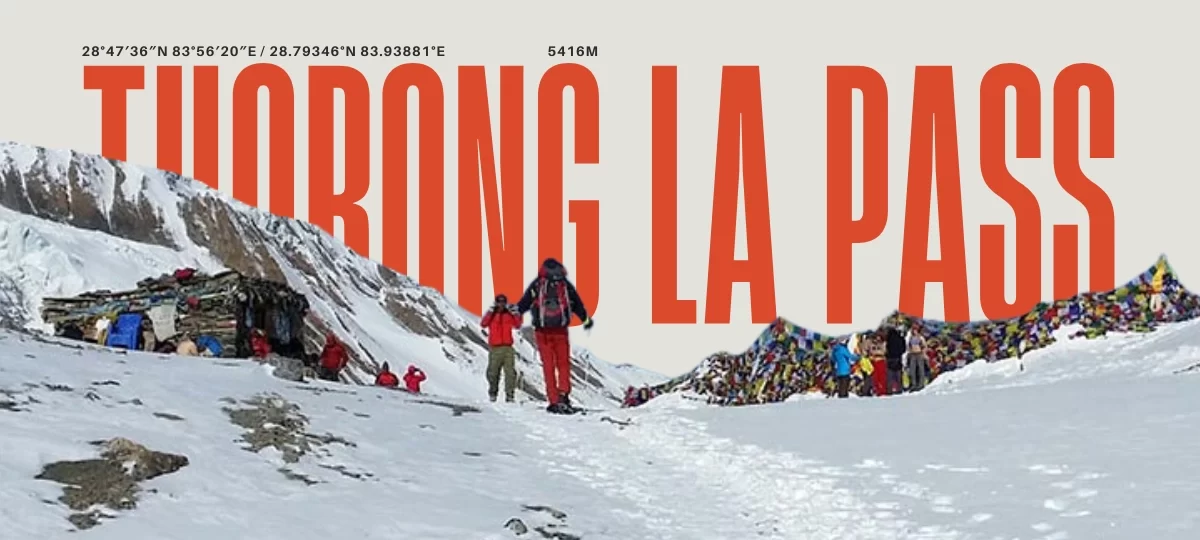
Thorong La Pass: Everything You Need to Know About Crossing Nepal’s Iconic High Pass
If there is one moment every trekker remembers from the Annapurna Circuit, it is the morning they crossed Thorong La Pass. At 5,416 meters, this high mountain saddle has a reputation that excites some people and intimidates others — and honestly, both feelings are completely valid. The climb is long, the air is thin, and the winds can be unforgiving, but the reward at the top is something you can’t describe unless you’ve been there yourself. Prayer flags dance in the cold breeze, mountains glow under the rising sun, and for a few minutes, you forget how exhausted you are. You just stand there and feel proud.
If you’re planning to do the Thorong La Pass trek or simply researching the Thorong La Pass height and route details, this guide will help you understand exactly what to expect — from the approach, the itinerary, the difficulty, and the best strategies to cross it safely.
Thorong La Pass Elevation and Where It Actually Lies?
Thorong La stands at a staggering 5,416 meters (17,769 ft), making it one of the highest trekking passes in Nepal that doesn’t require climbing equipment. It sits between Manang on the eastern side and Muktinath in the Mustang region on the western side. The pass basically connects two landscapes that look like they belong to two different worlds — the green valleys and icy peaks of Manang, and the dry, golden, Tibetan-like terrain of Mustang.
This change in scenery is one of the reasons the Thorong La Pass trek feels so special. One day you’re walking through pine forests, and a few days later you’re in a massive desert valley with yak caravans and ancient monasteries.
Thorong Phedi — The Last Stop Before the Big Push
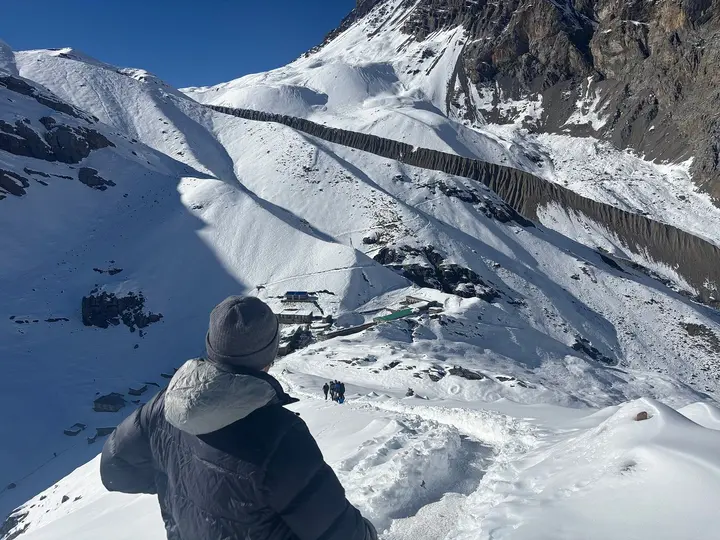
Every trekker who has crossed Thorong La remembers Thorong Phedi. This small settlement at 4,525 meters is the final night stop before the pass. Most people sleep here, eat a warm meal, and mentally prepare themselves for the hardest day of the trek.
There is also a High Camp about an hour and a half above Thorong Phedi, but sleeping there isn’t easy. The altitude is higher, the air feels heavier, and many trekkers don’t get proper sleep. On the other hand, starting from High Camp shortens your climb by a couple of hours. So it becomes a personal choice — comfort versus convenience. Most beginners and moderate trekkers choose Thorong Phedi because acclimatization is safer there.
Clockwise vs. Anticlockwise Route: Which is Better for Thorong La Pass?
Trekkers are often confused about whether to cross Thorong La Pass from Manang to Muktinath or the other way around.
Anticlockwise (Manang → Thorong La → Muktinath)
This is the classic, safe, and popular direction — and for good reason. The altitude gain is gradual, the trail allows proper acclimatization, and the steepest climb happens early in the morning when you still have energy and weather is stable. Almost everyone chooses this route, especially first-time trekkers.
Clockwise (Muktinath → Thorong La → Manang)
This direction is not recommended for most people. The ascent becomes extremely steep, and you gain altitude too quickly. The risk of altitude sickness is much higher, and the climb feels far longer and more exhausting. Only highly acclimatized or ultra-fit trekkers attempt this.
If you’re deciding which way to take — choose anticlockwise unless you already have experience above 5,000 meters.
How Many Days Does It Take to Get to Thorong La Pass?
Most people cross the pass somewhere between day 9 to day 12 of their Annapurna Circuit journey. The usual approach is:
- A few days walking through the lower valley
- Reaching Manang for at least one acclimatization day
- Gradually climbing through Yak Kharka and Ledar
- Sleeping at Thorong Phedi
- And then finally making the early-morning push to the pass
From Thorong Phedi to Muktinath, expect a long day of 7 to 10 hours, depending on your pace. The climb itself takes around 3–5 hours, and the descent to Muktinath can be surprisingly long on tired legs.
So… How Difficult Is Thorong La Pass Really?
The Thorong La Pass trek isn’t technical. You don’t need ropes, crampons, or any climbing experience. But it is challenging because of altitude, cold, and endurance.
Here’s what usually makes it tough:
- You start climbing in the dark around 3:00–4:00 AM
- Temperatures can drop below -10°C to -20°C
- The air is thin, so even small steps feel like effort
- Wind becomes strong after mid-morning
- The total walking time is long
- The descent can be hard on the knees
But most reasonably fit trekkers complete it without major issues. The real challenge is mental — keeping a steady pace and staying patient.
Scenery & Highlights of Thorong La Pass
If you enjoy dramatic landscapes, this trek feels like walking through a changing painting every day.
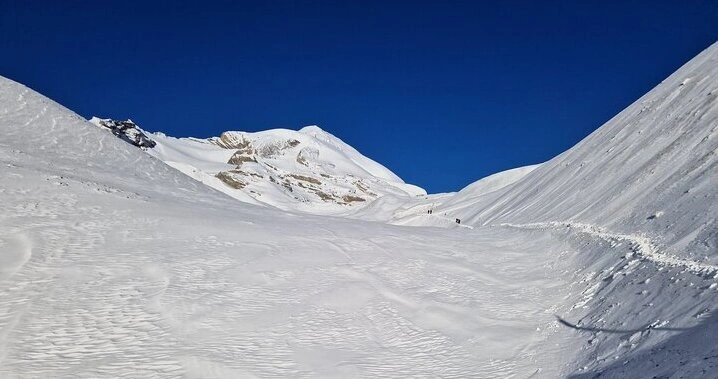
On the Manang side, you pass through forests, waterfalls, terraced fields, and traditional villages. Higher up, everything becomes more open, wide, and raw — glaciers, icefields, sharp rocky cliffs, and distant white peaks. Once you cross the pass and head toward Mustang, the landscape transforms completely. The colors change, the air becomes drier, and the world feels ancient, almost mythical.
Reaching the top of Thorong La Pass height is emotional for many trekkers because it’s not just beautiful — it’s earned.
Best Time to Cross Thorong La Pass
Two seasons stand out:
Autumn (September to November) – clear skies, stable weather, mild temperatures
Spring (March to May) – warm days, colorful landscapes, less wind
Winter brings snowfall and can close the pass. Monsoon makes trails slippery and landslide-prone. Stick to spring or autumn, and your chances of a successful crossing are highest.
Important Tips for Crossing Thorong La Pass Safely
Here are some practical tips that genuinely make a difference:
- Start early, ideally before sunrise — wind becomes dangerous later in the day
- Acclimatize properly in Manang
- Drink more water than you think you need
- Don’t rush the climb — slow steps are the secret
- Stay at Thorong Phedi instead of High Camp if you’re sensitive to altitude
- Dress in layers; mornings are brutally cold
- Carry chocolate, nuts, or energy bars
- Use trekking poles (they help a LOT, especially going downhill)
- Check the weather forecast and obey local advice
- Don’t be ashamed to turn back if symptoms of altitude sickness get worse
Trekkers who follow these basic rules almost always cross successfully.
What Happens After You Cross the Pass?
You descend into Muktinath, a sacred pilgrimage site for both Hindus and Buddhists. Many trekkers spend an extra night here because it’s warmer, more comfortable, and there’s so much to explore — the famous 108 water taps, the eternal flame temple, monasteries, and the peaceful ambiance of the Mustang region.
After crossing Thorong La, the whole world feels calmer.
Final Thoughts: Is Thorong La Pass Worth Doing?
If you’re the kind of person who likes pushing yourself just enough to feel alive, the Thorong La Pass trek will be one of the greatest adventures of your life. The elevation, the culture, the scenery, the challenges — everything blends together into a journey that stays with you forever. It’s no surprise that thousands of trekkers say Thorong La Pass is the highlight of their entire Nepal trip.
Whether you’re going from Thorong Phedi, researching the Thorong La Pass elevation, or planning the full Annapurna Circuit, this pass is a test of patience and determination — but the reward on the other side is priceless.
Thorong La Pass – Frequently Asked Questions (FAQ)
1. How difficult is Thorong La Pass? Can beginners do it?
Thorong La Pass is challenging, but not technical. You don’t need climbing skills, and the trail itself is straightforward. What makes it tough is the altitude and the long walking day.
Beginners can do it if they are reasonably fit and take acclimatization seriously. Most first-time trekkers complete the pass without problems, especially if they follow the anticlockwise route and move slowly.
2. What is the exact height of Thorong La Pass?
The Thorong La Pass elevation is 5,416 meters (17,769 ft).
At this altitude, the air is thin, so breathing feels harder and the weather can change quickly. Proper acclimatization is essential.
3. What is the best time of year to cross Thorong La Pass?
The safest and most enjoyable seasons are:
- Autumn (September–November) – the clearest views and most stable weather
- Spring (March–May) – warmer temperatures and colorful landscapes
Winter and monsoon are not recommended due to snow, storms, and unstable trails.
4. How long does it take to reach the pass from Manang?
Most trekkers reach and cross the pass around day 9–12 of their Annapurna Circuit trek.
A typical approach is:
- Manang → Yak Kharka
- Yak Kharka → Ledar
- Ledar → Thorong Phedi
- Thorong Phedi → Thorong La Pass → Muktinath
From Thorong Phedi, it takes around 7–10 hours to complete the crossing.
5. Which direction is better — Manang to Muktinath or Muktinath to Manang?
Always choose the anticlockwise direction (Manang → Thorong La → Muktinath).
This route gives your body time to acclimatize gradually, reducing the risk of altitude sickness.
The clockwise direction (Muktinath → Thorong La → Manang) is extremely steep and too risky unless you are already acclimatized.
6. Do you need a guide for Thorong La Pass?
A guide is not mandatory, but highly recommended, especially for:
- First-time trekkers
- People unsure about altitude
- Winter or early spring treks
- Those who want a smooth and safe experience
Guides help monitor your health, set a safe pace, check weather updates, and navigate if the trail is covered in snow.
7. How cold does it get at Thorong La Pass?
Early in the morning (when most people climb), temperatures can drop to:
- –10°C to –20°C in autumn
- Even colder in winter
Strong winds in the upper section can make it feel much colder, so warm layers are essential.
8. What is the accommodation like before the pass?
The final place to sleep is Thorong Phedi, with basic but comfortable teahouses.
There is also a High Camp above it, which shortens the next morning’s climb but is colder and harder to sleep at.
Most trekkers prefer Thorong Phedi for better rest.
9. What is the biggest challenge of crossing Thorong La Pass?
The biggest challenge is altitude, not the terrain.
Other difficulties include:
- Thin air
- Early morning cold
- Strong winds after 10 AM
- Long walking hours on the day of crossing
With the right pacing and acclimatization, these are manageable.
10. Are there risks of altitude sickness on the Thorong La Pass trek?
Yes — altitude sickness is the main risk. Symptoms can include:
- Headache
- Nausea
- Loss of appetite
- Dizziness
- Fatigue
If symptoms become serious, descending to a lower altitude is mandatory. Proper acclimatization days in Manang help prevent this.
11. How should I prepare physically for the trek?
Three to four weeks of light training is ideal, including:
- Hiking or walking 6–10 km daily
- Stair climbing
- Light jogging
- Leg and core strengthening exercises
You don’t need to be an athlete — just consistent and moderately fit.
12. Do you need special gear for Thorong La Pass?
No technical gear is required, but these items help a lot:
- Down jacket
- Warm gloves, hat, thermal layers
- Good trekking boots
- Headlamp (for early morning start)
- Buff or neck warmer
- Sunglasses and sunscreen
- Trekking poles
- 2–3 liters of water capacity
Pack smart — the weather above 5,000m can be unpredictable.
13. Is the trail easy to follow?
Yes, the trail is generally clear and well-marked.
However, heavy snowfall can sometimes cover the route, which is why having a guide is useful in early winter or spring.
14. What happens after you cross the pass?
You descend into Muktinath, a holy town where trekkers often spend the night.
There are comfortable teahouses, restaurants, and a relaxing atmosphere — a perfect reward after a long day.
15. Is Thorong La Pass worth it?
Absolutely.
It is one of the most iconic, scenic, and rewarding trekking achievements in Nepal. The sense of accomplishment at the top, combined with the dramatic landscapes, makes it a highlight of the Annapurna Circuit and one of the most memorable experiences in the Himalayas.