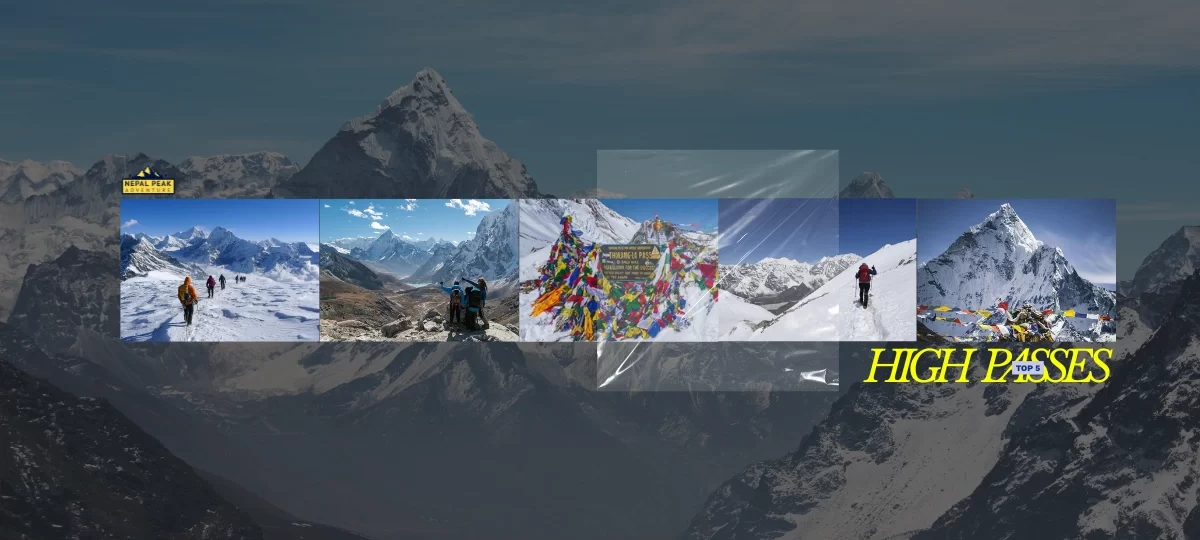
Top 5 High Passes in Nepal: The Ultimate Himalayan Challenge
If you’re searching for a trekking experience that goes beyond ordinary mountain walks — something raw, breathtaking, and deeply rewarding — then the high passes of Nepal are where your adventure begins.
These trails are not just paths; they are gateways carved through towering ridges, linking hidden valleys, ancient villages, and some of the most spectacular mountain views on Earth.
From the rugged trails of Manaslu to the legendary routes around Everest and Annapurna, Nepal’s high passes invite you to step into a world where the air is thin, the landscapes surreal, and every step feels like a victory.
Trekking over a Himalayan pass means pushing past your comfort zone, where the rewards aren’t just the panoramic views but also the deep satisfaction of knowing you’ve walked where few have dared.
So, if you’re wondering which high passes in Nepal are worth the challenge — and what it truly takes to conquer them — here’s your ultimate guide to the Top 5 High Passes in Nepal that every adventure lover should know about.
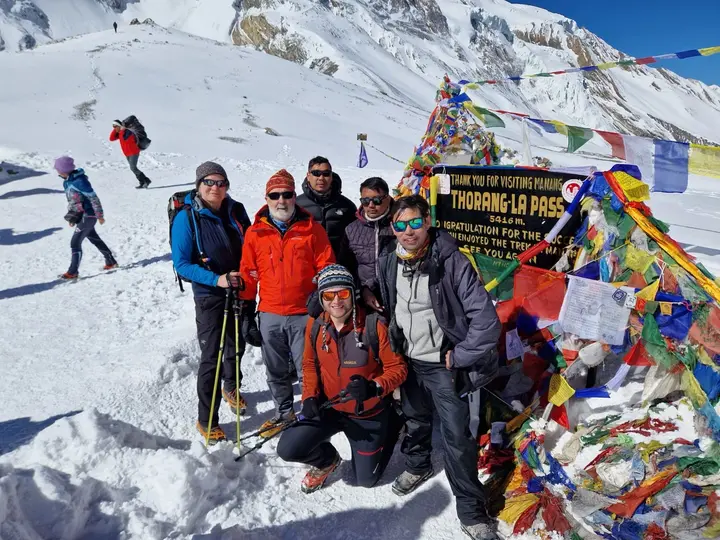
1. Thorong La Pass (5,416m) — The Classic Gateway of the Annapurna Circuit
Overview & Location
Thorong La Pass sits at an impressive 5,416 meters (17,769 ft) above sea level, connecting the Manang district in the east with the sacred Muktinath Valley in Mustang to the west. It is the highest point on the Annapurna Circuit, one of the most iconic trekking routes in the world.
Highlights
- Panoramic views of Annapurna II, III, Gangapurna, Dhaulagiri, and countless snow peaks.
- Diverse landscapes — from lush green valleys to arid, desert-like highlands.
- Cultural variety: Buddhist villages of Manang meet the Hindu pilgrimage site of Muktinath.
- Excellent tea house infrastructure and clear, well-marked trails.
Difficulty & Experience
Thorong La is considered moderately difficult, mainly due to its high altitude. The climb from Thorong Phedi to the top is steep and can take 4–5 hours. Weather can change quickly, with strong winds and snow possible even in good seasons. Proper acclimatization in Manang is essential to avoid altitude sickness.
Best Time to Cross
- Spring (March–May) and Autumn (Sept–Nov) are ideal.
- Avoid winter when heavy snow can close the pass.
Why It’s Special
Thorong La isn’t just a pass — it’s a rite of passage for trekkers. Crossing it feels like completing a journey through every landscape Nepal has to offer. It’s challenging, yet accessible, and remains one of the most rewarding experiences in the Himalayas.
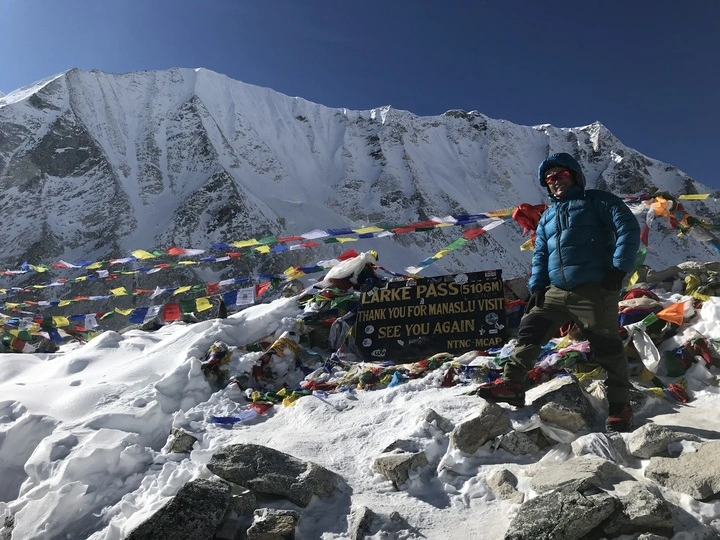
2. Larkya La Pass (5,106m) — The Hidden Gem of the Manaslu Circuit
Overview & Location
Located in the remote Manaslu region, the Larkya La Pass (5,106m / 16,752 ft) connects the villages of Dharamsala and Bimthang, offering magnificent views of Manaslu (8,163m), Himalchuli, and Cheo Himal. The pass lies within the Manaslu Conservation Area, bordering the Tibetan plateau.
Highlights
- Remote trails with fewer trekkers than Annapurna or Everest.
- Stunning views of glaciers and towering Himalayan peaks.
- Authentic Tibetan-influenced villages like Samagaon and Samdo.
- A mix of tea houses and wilderness trekking — perfect balance of comfort and adventure.
Difficulty & Experience
Larkya La is moderately to highly challenging. The altitude is high but manageable with proper acclimatization. The trek to the pass involves long walking days and occasional snow or wind exposure. However, the trail is non-technical, making it suitable for fit trekkers with previous high-altitude experience.
Best Time to Cross
- Spring and Autumn are best; winter brings deep snow and can block the route.
Why It’s Special
Larkya La offers a raw, untouched experience of the Himalayas. The Manaslu Circuit itself feels like the Annapurna Circuit from decades ago — peaceful, authentic, and deeply connected to both nature and culture. It’s perfect for those seeking adventure without the crowds.
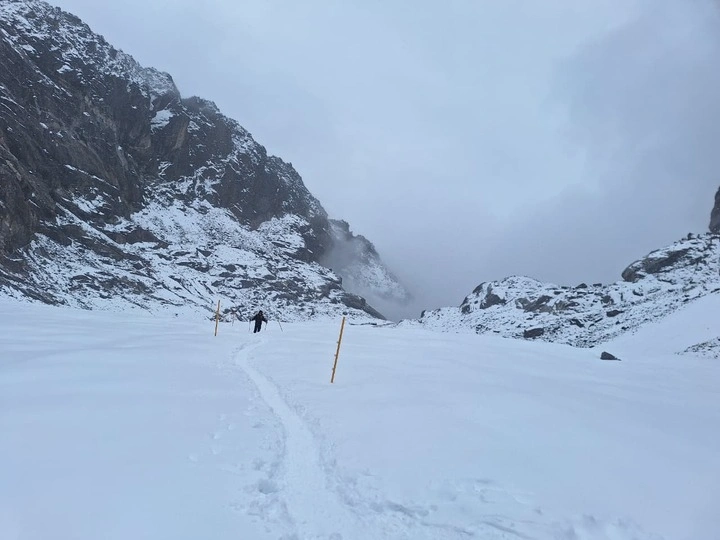
3. Cho La Pass (5,420m) — The Icy Bridge Between Gokyo and Everest Base Camp
Overview & Location
Situated in the heart of the Khumbu region, Cho La Pass (5,420m / 17,782 ft) connects the Gokyo Valley with the Everest Base Camp trail. It forms part of the popular Everest Three Passes Trek, along with Kongma La and Renjo La.
Highlights
- Crosses a small glacier with stunning views of Ama Dablam, Cholatse, Everest, and Makalu.
- Offers a unique combination of turquoise lakes (in Gokyo) and Everest’s icy grandeur.
- The sense of adventure is real — the trail climbs steeply over rocky terrain and glacial ice.
- Witness sunrise reflections over Gokyo Lakes before heading up the pass.
Difficulty & Experience
Cho La is tough and technical in sections. The western side is icy and often covered in snow, requiring crampons during colder months. It’s best attempted with an experienced guide, especially during early spring or late autumn when the path may be slippery or unclear.
Best Time to Cross
- Late October–November or April–May for clearer trails and stable weather.
Why It’s Special
Cho La delivers everything trekkers dream of — a physical challenge, heart-stopping scenery, and a true Himalayan wilderness feel. The moment you stand atop the icy ridge between two of the most iconic valleys in the world, you’ll understand why it’s one of Nepal’s most loved high passes.
4. Kongma La Pass (5,535m) — The Highest and Hardest of the Three Passes
Overview & Location
Kongma La Pass (5,535m / 18,159 ft) is the highest of the Three Passes in the Everest region, connecting Chhukung Valley with Lobuche. It is less crowded and offers jaw-dropping views of Makalu, Lhotse, and Ama Dablam.
Highlights
- Epic views of the Khumbu Glacier and surrounding peaks.
- Offers a pure wilderness experience with few trekkers.
- A sense of raw adventure — you’ll feel like you’re on top of the world.
- Often combined with Cho La and Renjo La for the complete Three Passes challenge.
Difficulty & Experience
This is a demanding and remote pass. The ascent is steep, and there are no tea houses between Chhukung and Lobuche, meaning trekkers must carry enough water and snacks. Weather can change rapidly, with cold winds and occasional snow. Acclimatization is critical before attempting it.
Best Time to Cross
- Autumn (Oct–Nov) and Spring (Apr–May) offer the safest and clearest conditions.
Why It’s Special
Kongma La is the ultimate challenge for seasoned trekkers in the Everest region. It’s tougher than the others but rewards you with some of the most dramatic views in the entire Khumbu. Standing here feels like you’re gazing across the spine of the world.
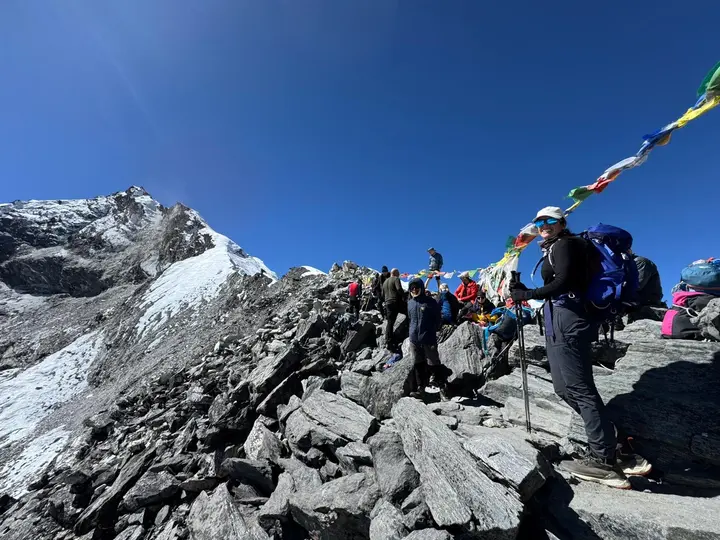
5. Amphu Lapcha Pass (5,845m) — The Ultimate Test of Adventure and Endurance
Overview & Location
Amphu Lapcha Pass (5,845m / 19,177 ft) connects the Hinku Valley (Mera Peak area) with the Imja Valley near Island Peak. It lies deep in the Makalu-Barun National Park, making it one of the most remote and challenging passes in Nepal.
Highlights
- The highest and most technical pass on this list.
- Surrounded by enormous peaks like Baruntse, Amphu Gyabjen, and Mera Peak.
- Often combined with Mera Peak Climb or Island Peak Expedition.
- Requires fixed ropes, crampons, and ice axe for safe crossing.
Difficulty & Experience
Amphu Lapcha is for experienced trekkers or mountaineers only. It involves glacier travel, crevasse zones, and steep climbs. Weather is unpredictable, and camping is often necessary due to the lack of lodges. Despite the challenges, it’s one of the most thrilling adventures in the Himalayas.
Best Time to Cross
- Spring (April–May) and Autumn (Oct–Nov) when the snow is stable.
Why It’s Special
This is the real Himalayan adventure — raw, remote, and utterly awe-inspiring. If you’ve already done other high passes and want something that feels truly wild, Amphu Lapcha is the pinnacle.
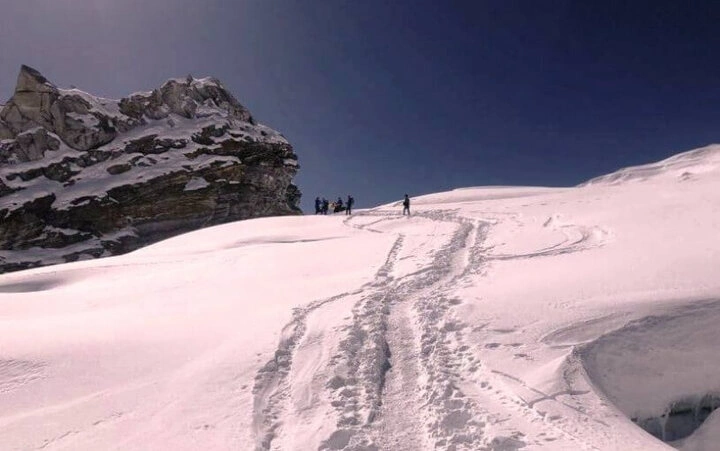
So these above are the top 5 high passes in Nepal for you. Among the five of these, which one of you has already done?
Honorable Mentions – Top 5 High Passes Trek in Nepal
While the above five are the most renowned, several other high passes in Nepal are equally stunning and worth mentioning:
- Renjo La Pass (5,360m) — A spectacular pass offering one of the best panoramic views of Everest, Lhotse, and Gokyo Lakes.
- Tashi Lapcha Pass (5,755m) — A technical pass connecting the Rolwaling Valley with the Khumbu region, ideal for serious trekkers.
- Sherpani Col (6,135m) — One of Nepal’s highest and most challenging passes, linking the Makalu region to the Everest area.
Each of these passes offers unique landscapes and a deeper connection to Nepal’s wild mountain spirit.
What to Expect on the Top 5 High Passes in Nepal?
- Altitude: Expect to spend days above 4,000m; acclimatization is key.
- Terrain: Mixture of rocky trails, glaciers, moraines, and steep ascents.
- Culture: Meet Sherpa, Gurung, and Tibetan-influenced communities.
- Accommodation: Ranges from cozy tea houses in popular areas to camping in remote ones.
- Weather: Cold mornings, strong afternoon winds, and freezing nights above 4,500m.
These treks are not just physical — they are deeply emotional and spiritual journeys, offering peace, reflection, and a renewed appreciation for nature.
How to Prepare for a High Pass Adventure?
- Physical Training:
- Build endurance with regular hikes, stair climbing, and cardio workouts.
- Strengthen your legs and lungs months before your trek.
- Acclimatization:
- Take time to adjust; follow the “climb high, sleep low” rule.
- Stay hydrated, eat well, and avoid rushing the itinerary.
- Gear:
- Quality trekking boots, layered clothing, gloves, gaiters, and down jacket.
- Sleeping bag (−10°C), trekking poles, sunglasses, and a reliable backpack.
- Guides & Permits:
- Always trek with a registered guide or local agency like Nepal Peak Adventure.
- Permits depend on the region (e.g., TIMS, ACAP, MCAP, Sagarmatha National Park, etc.).
- Mental Readiness:
- Expect cold, fatigue, and unpredictable weather — but remember, the views and the feeling of accomplishment are worth every struggle.
Conclusion: Conquer the Heights with Nepal Peak Adventure
Trekking across a high pass in Nepal is more than just a physical challenge — it’s a life-changing experience. Each step through these breathtaking landscapes takes you closer to nature, culture, and yourself.
Whether you dream of crossing the famous Thorong La, seeking solitude on Larkya La, or testing your endurance on Amphu Lapcha, Nepal offers an adventure for every kind of traveler.
At Nepal Peak Adventure, we specialize in guiding trekkers safely and confidently across these incredible routes. Our experienced guides, well-planned itineraries, and passion for the mountains ensure that your journey isn’t just successful — it’s unforgettable.
So lace up your boots, take a deep breath, and step into the thin air of the Himalayas. The passes are waiting, and adventure calls.