Abandoned on Everest: The Miraculous Return of Dawa Sherpa Exposes a Dark Industry Secret
On June 4, 2026, the global mountaineering community witnessed a miracle that defied every known law of high-altitude survival.
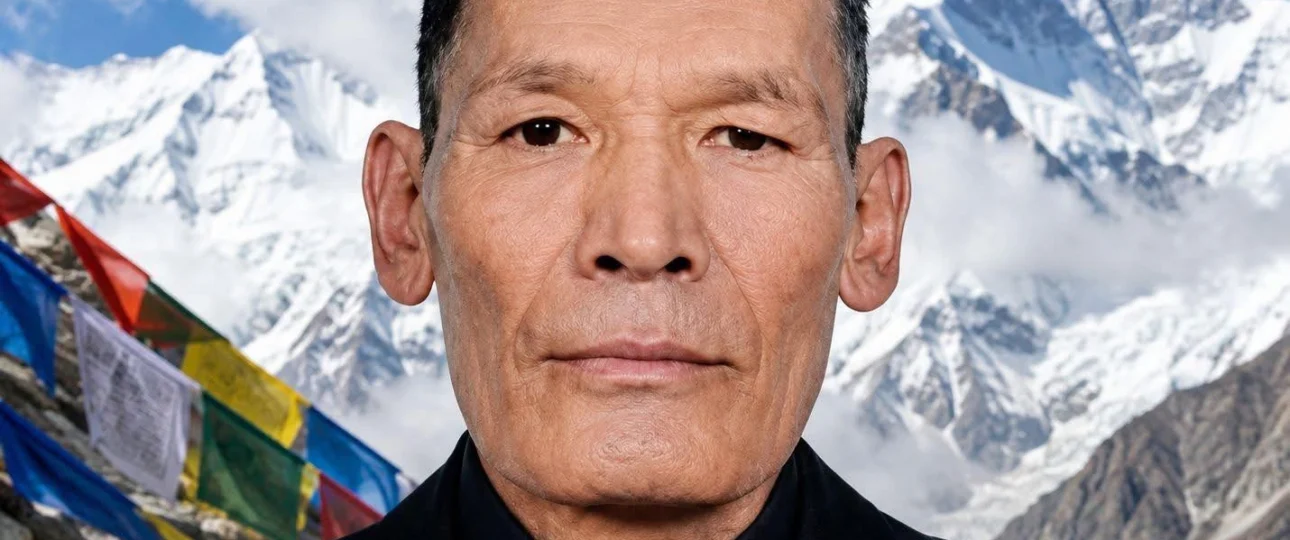
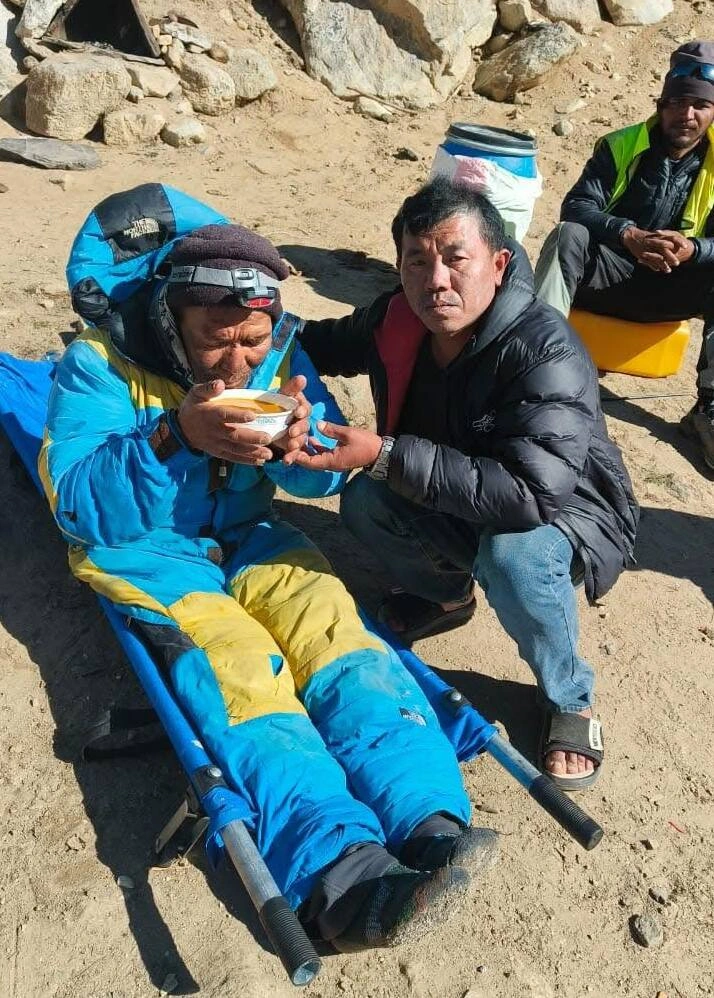
Dawa Sherpa (known widely as Hillary Dawa), a 52-year-old mountain guide from Okhaldhunga, was found alive after disappearing for nearly a week in the Everest “death zone”. When a cleaning crew from the Sagarmatha Pollution Control Committee (SPCC) spotted him, he was physically crawling through the snow toward Everest Base Camp.
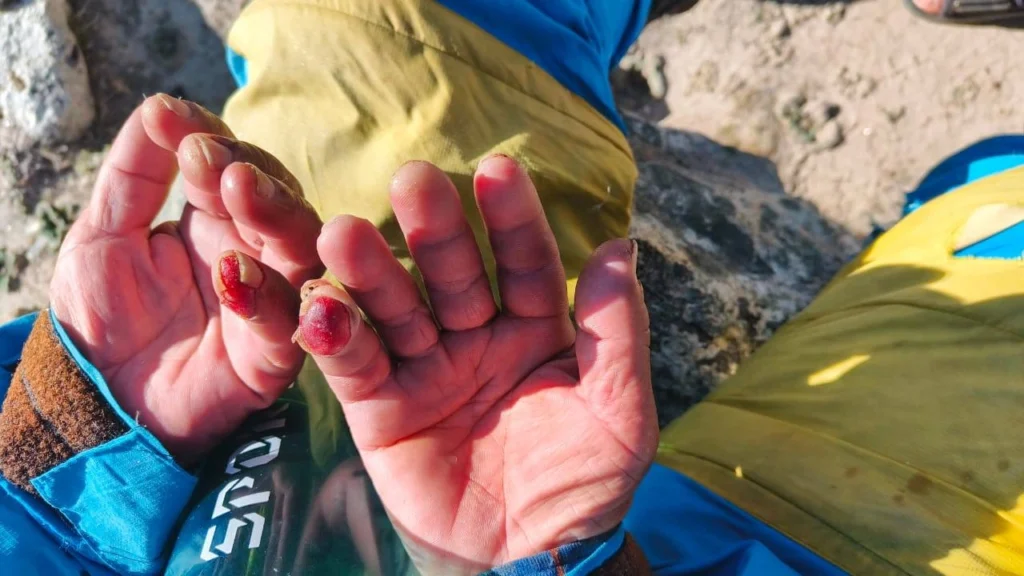
He was severely dehydrated, exhausted, and suffering from severe frostbite on his hands and feet—but he was talking, conscious, and alive.
While his story is an unparalleled testament to the superhuman endurance of Sherpa guides, it has simultaneously blown open a raging debate about client abandonment, safety loopholes, and structural neglect in the commercial climbing industry.
Chronology of an Abandonment
To fully understand how miraculous Dawa’s survival is, we have to look at the timeline of how he was left behind in the first place:
- May 29: Dawa summits the 8,849-meter peak with a British client. On the descent, near Camp IV, the team encounters a struggling Polish climber suffering from severe frostbite and oxygen deprivation. As they try to assist, Dawa stops to rest under heavy loads, telling the others to move ahead. He is last seen near the Yellow Band above Camp III.
- May 31: With the spring climbing season officially ending, remaining expedition teams entirely pack up. Crucially, the SPCC icefall doctors begin dismantling the fixed ropes and removing the safety ladders spanning the massive, gaping crevasses of the treacherous Khumbu Icefall.
- The Missing Days: Dawa’s handling agency, a smaller Kathmandu-based outfit called Himalayan Traverse, faces heavy criticism for failing to launch an immediate, aggressive search-and-rescue mission. An aerial search conducted later by larger operators fails to spot him. Dawa is feared dead by the entire world.
- June 4: Seven days after going missing, Dawa is found by an SPCC garbage management team near Crampon Point.
Navigating the Lethal Icefall—Without Ropes or Ladders
How did a 52-year-old man survive a week at altitudes where the human body literally consumes itself?
Because the commercial camps were abandoned in a rush at the end of the season, Dawa was able to scavenge leftover tents for scraps of food, water, and remnants of bottled oxygen as he dragged himself down.
But what has truly stunned veteran climbers is how he managed to cross the shattered maze of the Khumbu Icefall entirely alone. The Icefall is a shifting glacier of massive ice skyscrapers and bottomless crevasses. Crossing it typically requires an intricate highway of aluminum ladders and safety lines.
With the ladders already packed away, Dawa had to rely entirely on his decades of instinct, navigation, and sheer willpower to negotiate the deadly terrain on his hands and knees.
The Darker Side of the Miracle: A Systemic Crisis
As the mountaineering world celebrates his rescue, the anger on the ground is palpable. Dawa’s ordeal spotlights an uncomfortable reality in modern high-altitude tourism:
1. The Survival Gap Between Clients and Guides
When a high-paying foreign client goes missing or falls ill, major operators, helicopters, and emergency protocols are instantly mobilized. Yet, when a local guide is left behind, bureaucracy, delayed tracking, and smaller agencies lacking deep insurance frameworks often stall critical rescue windows.
2. Failure of Accountability
Despite the government deploying dozens of liaison officers to monitor peak safety and tracking, communication completely broke down. Dawa was missing for days before major rescue coordination networks were effectively utilized.
3. Client Management Ethics
The incident raises tough ethical questions about mountaineering partnerships. When conditions deteriorate, the code of the mountains dictates that teams stick together. How a guide is separated and left behind in the death zone while others descend safely remains a point of intense scrutiny.
The Road to Recovery
Dawa Sherpa was immediately evacuated by helicopter from Base Camp and flown to a hospital in Kathmandu, where he is undergoing intensive treatment for extreme exposure and severe frostbite.
His survival is nothing short of a legendary feat of human endurance. But as Dawa fights to heal in Kathmandu, the mountaineering industry must face a harsh mirror. Miracles like this shouldn’t have to happen just because the safety net failed the very heroes who keep the mountain alive.