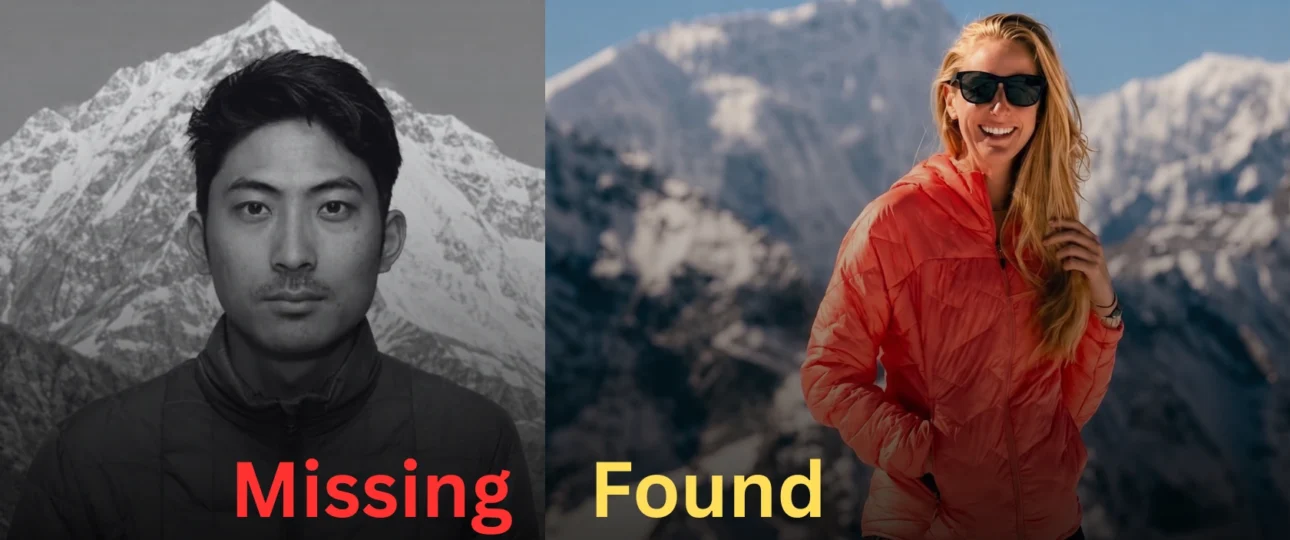
Climber Sarah Mallory Geis Body Recovered from Broad Peak
The body of 39-year-old American climber Sarah Mallory Geis has been recovered from the slopes of Broad Peak in Pakistan’s Karakoram range, nearly three weeks after a catastrophic avalanche struck an international expedition team.
Irfan Arshad Khan, President of the Alpine Club of Pakistan, confirmed that local volunteer rescuers located Geis’s remains near Advanced Base Camp after rapidly warming late-summer temperatures caused surrounding snow to melt. Geis was among 10 climbers caught in the massive July 30 avalanche at an altitude of approximately 6,660 meters. Her body is currently being brought to Base Camp before being airlifted to Skardu and repatriated to her family in San Antonio, Texas.
Hazardous Recovery Efforts
The recovery mission on the 8,051-meter mountain has been plagued by severe risks and extreme weather. Rescuers – led by renowned Nepali climber Mingma Gyalje Sherpa (Mingma G) and joined by Pakistani mountaineer Sirbaz Khan – have retrieved seven bodies from the mountain despite repeated threats of further slides.
During one harrowing operation, rescuers brought four bodies from 5,700 meters to a lower point, only for a secondary avalanche to sweep them away. Ground personnel narrowly escaped before returning two days later to recover the remains from a steep 60-degree slope in an active avalanche zone.
Operations Suspended for Nawang Thendu Sherpa
With Geis’s recovery, the remains of only one climber from the Broad Peak tragedy – 29-year-old Nepali guide Nawang Thendu Sherpa – remain unrecovered.
High-altitude rescuer Dawa Sherpa (“Speed Dawa”) reported that Nawang’s body rests in a precarious position above 6,000 meters. Ground teams lack sufficient high-altitude rope to safely reach his exact location, and persistent avalanche hazards make further retrieval attempts too dangerous for the lives of the rescuers.
Rescuers confirmed that operations to bring Nawang down have been suspended for the remainder of the season. If his remains stay in their current location through the winter, ground teams hope to organize a retrieval operation next summer.